
Why Dengue and Malaria Cases Rise During Monsoon Season
The monsoon brings much-needed relief from summer heat — but it also brings an increase in mosquito-borne diseases like dengue and malaria. Every year, hospitals across India see a sharp spike in these infections during and after the rainy season. Understanding why this happens and how to prevent it can help protect you and your family.
At Rishitha Hospitals, our infectious disease specialists and emergency care team are equipped to handle all types of seasonal illnesses, offering accurate diagnosis, 24/7 treatment, and preventive health guidance.
Why Dengue and Malaria Spread More During Monsoon
1. Stagnant Water = Mosquito Breeding Ground
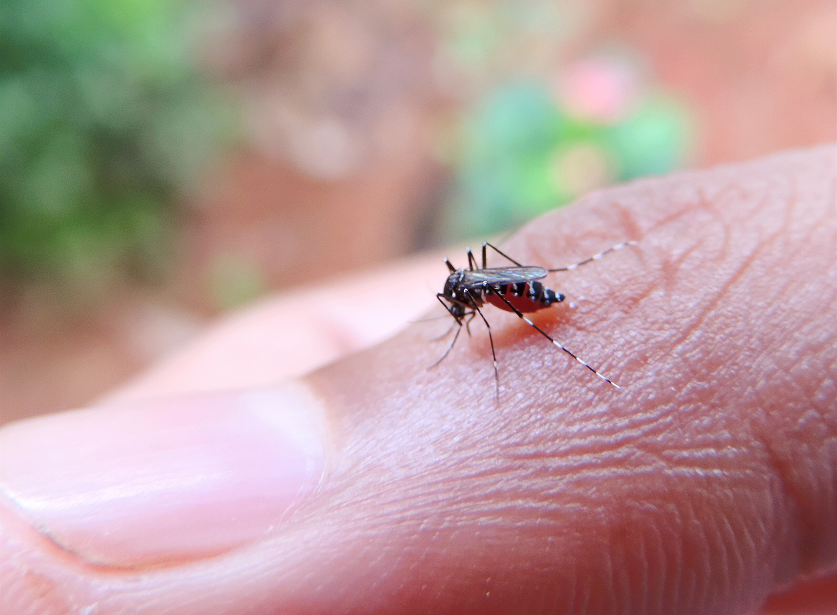
During the rainy season, water collects in buckets, plant pots, coolers, and drains, creating perfect breeding sites for Aedes and Anopheles mosquitoes — carriers of dengue and malaria. Even small puddles can lead to large outbreaks.
2. Humidity Favors Mosquito Survival
Mosquitoes thrive in humid weather, which allows them to live longer and multiply faster. This extends the risk period for infection throughout the season.
3. Poor Drainage and Sanitation
4. Weakened Immunity During Seasonal Changes
5. Lack of Awareness and Delayed Treatment
Early Symptoms to Watch For
Dengue:
- High fever
- Headache and eye pain
- Body and joint aches
- Nausea and rash
Malaria:
- Recurring fever with chills
- Sweating and fatigue
- Headache and nausea
- Pale skin (due to anemia)
Dengue & Malaria Treatment at Rishitha Hospitals
- 24/7 emergency care for high fever and dehydration
- Blood tests (NS1 antigen, smear tests) for accurate diagnosis
- Fluid therapy and platelet monitoring
- ICU care for severe cases
- Preventive health guidance to reduce future infections
Prevention Tips from Rishitha Hospitals
- Empty containers and flowerpots to prevent water stagnation
- Use mosquito nets, repellents, and window screens
- Wear full-sleeve clothing during evenings and early mornings
- Keep surroundings clean and drains unclogged
- Don’t ignore persistent fever — get tested early