
Cold Weather Joint Pain and Knee Stiffness: Why It Happens and How to Feel Better
As temperatures drop, many people begin to notice knee pain, joint stiffness, and reduced mobility, especially early in the morning or after long periods of rest. Cold weather doesn’t cause joint problems directly, but it can worsen existing knee and joint conditions, making daily movement uncomfortable.
At Rishitha Hospitals, our experienced orthopaedic doctors for knee pain help patients understand the cause of winter-related discomfort and provide effective knee pain treatment in Hyderabad to restore comfort and mobility.
Why Knee Pain and Joint Stiffness Increase in Cold Weather
1. Reduced Blood Circulation
Cold temperatures cause blood vessels to narrow, reducing blood flow to muscles and joints. This can lead to knee stiffness, muscle tightness, and joint pain, especially in people with arthritis or previous injuries.
2. Muscle and Ligament Tightening
In winter, muscles and ligaments tend to tighten, reducing flexibility. This puts extra pressure on knee joints, leading to discomfort while walking, climbing stairs, or bending.
3. Arthritis and Cartilage Wear
People with osteoarthritis or knee cartilage damage often experience increased pain during cold weather. Lower temperatures can affect joint lubrication, making movements feel stiff and painful.
4. Reduced Physical Activity
Cold weather often leads to less movement. Prolonged inactivity can weaken muscles around the knee, increasing stiffness and worsening joint pain over time.
5. Vitamin D Deficiency
Limited sunlight exposure in winter can reduce vitamin D levels, which are essential for bone and joint health. This deficiency can worsen knee pain and muscle weakness.
How to Feel Better: Tips to Reduce Winter Knee Pain
1. Keep Your Knees Warm
Wearing knee caps, warm clothing, and thermal layers helps maintain blood flow and reduces stiffness. Warm joints move more comfortably.
2. Stay Active with Gentle Exercises
Low-impact activities such as walking, stretching, yoga, and physiotherapy exercises keep knee joints flexible and muscles strong. At Rishitha Hospitals, our orthopaedic team often recommends physiotherapy-guided knee exercises for long-term relief.
3. Maintain a Joint-Friendly Diet
Include foods rich in calcium, vitamin D, omega-3 fatty acids, and protein. These nutrients help reduce inflammation and support knee joint strength.
4. Maintain Proper Posture and Footwear
Poor posture and unsupportive footwear increase stress on the knees. Use cushioned footwear and maintain proper sitting and sleeping posture to reduce joint strain.
5. Don’t Ignore Persistent Knee Pain
If knee pain lasts more than a few weeks, worsens in winter, or limits daily activity, consult an orthopaedic doctor for knee pain. Early treatment can prevent further joint damage or the need for surgery.
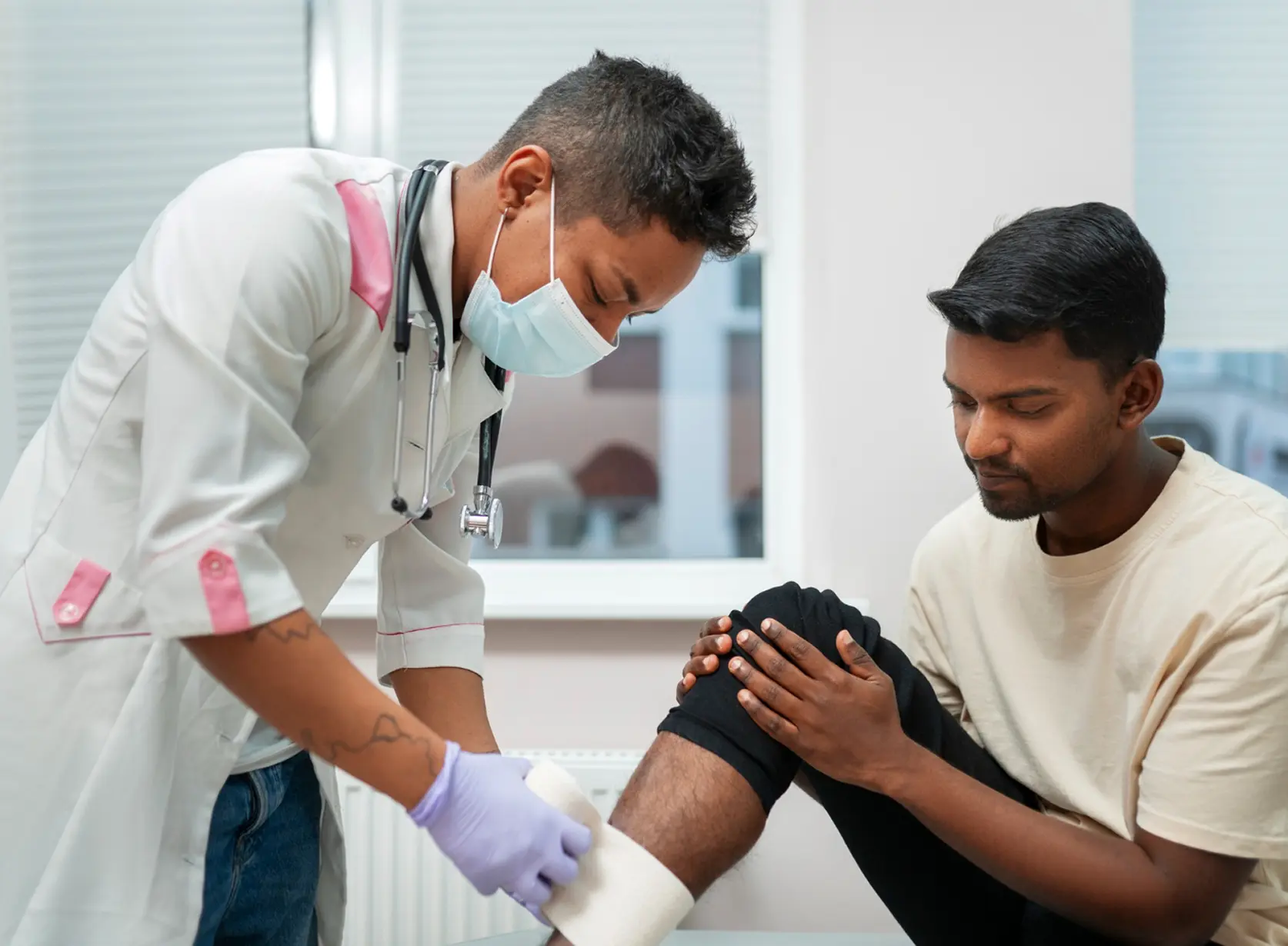
Knee Pain Treatment at Rishitha Hospitals
At Rishitha Hospitals, we offer comprehensive knee pain treatment in Hyderabad, including:
- Accurate diagnosis using X-rays, MRI, and clinical evaluation
- Non-surgical treatments for arthritis and ligament injuries
- Advanced physiotherapy and rehabilitation programs
- Pain management and joint preservation techniques
- Surgical options such as knee arthroscopy or knee replacement, when required
Our goal is to help you move comfortably—regardless of the season.
Why Choose Rishitha Hospitals for Knee & Joint Care?
- Experienced orthopaedic doctors for knee pain
- Advanced diagnostics and treatment facilities
- Integrated orthopaedics + physiotherapy care
- Personalised treatment plans for all age groups
Trusted centre for knee pain treatment in Hyderabad
Frequently Asked Questions (FAQs)
1. Does cold weather really cause joint and knee pain?
Cold weather doesn’t directly cause joint problems, but it can worsen existing conditions like arthritis, cartilage wear, or old injuries. Lower temperatures reduce blood circulation and cause muscles and ligaments to tighten, leading to increased knee stiffness and joint pain.
2. Why is knee pain worse in winter mornings?
During cold nights, joints stay inactive for long hours, causing stiffness. Reduced joint lubrication and muscle tightness make pain more noticeable in the morning. Gentle stretching and warm showers can help ease this discomfort.
3. Can exercise really help knee pain in cold weather?
Yes. Low-impact exercises like walking, stretching, yoga, and physiotherapy keep the knee joint flexible and strengthen surrounding muscles, reducing stiffness and pain. Exercise should always be guided by an orthopaedic specialist if pain is persistent.
4. Can winter knee pain be prevented?
Yes. Staying active, keeping joints warm, maintaining a healthy diet, and addressing early symptoms can significantly reduce winter knee pain. Regular check-ups with an orthopaedic specialist also help in early prevention.
Struggling with knee pain or stiffness this winter? Consult an expert orthopaedic doctor for knee pain at Rishitha Hospitals for advanced knee pain treatment in Hyderabad.