
How to Lower Your Cholesterol the Natural Way
What Is Cholesterol?
Cholesterol is a wax-like substance found in the blood. Your body needs it to build cells, make hormones, and support important functions. The problem begins when cholesterol levels become higher than healthy limits.
There are mainly three numbers people should understand. LDL cholesterol is often called bad cholesterol because excess LDL can build up inside the arteries. HDL cholesterol is called good cholesterol because it helps carry cholesterol away from the bloodstream. Triglycerides are another type of fat in the blood, and high levels can increase heart health risks.
Many people do not know they have high cholesterol because it usually does not cause clear symptoms. That is why regular health checkups and lipid profile tests are important, especially for adults, people with diabetes, high blood pressure, obesity, family history of heart disease, or sedentary lifestyles.
Why Is Lowering Cholesterol Naturally Important?
Lowering cholesterol naturally is important because it supports long-term heart health. High cholesterol can slowly narrow the arteries and increase the risk of heart attack, stroke, and other cardiovascular problems.
Natural cholesterol control does not mean avoiding medical care. It means building healthier daily habits that support your heart. For some people, lifestyle changes may be enough. For others, doctors may also recommend medicines depending on cholesterol levels, age, family history, diabetes, blood pressure, and overall heart risk.
At Rishitha Hospitals, doctors can help patients understand whether they need lifestyle changes, medication, regular monitoring, or a complete heart health plan.
How Does Cholesterol Increase In The Body?
Cholesterol can increase due to food habits, lack of physical activity, excess body weight, smoking, alcohol intake, diabetes, thyroid issues, genetics, and age.
A common mistake is thinking cholesterol comes only from oily food. In reality, the body also produces cholesterol. This is why even thin people can have high cholesterol. Family history also plays an important role.
Eating too many foods high in saturated fat, trans fat, refined carbohydrates, fried snacks, processed foods, bakery items, sugary drinks, and excess red meat can worsen cholesterol levels. Lack of exercise can also reduce HDL, the good cholesterol.
How Can You Lower Cholesterol Naturally With Food?
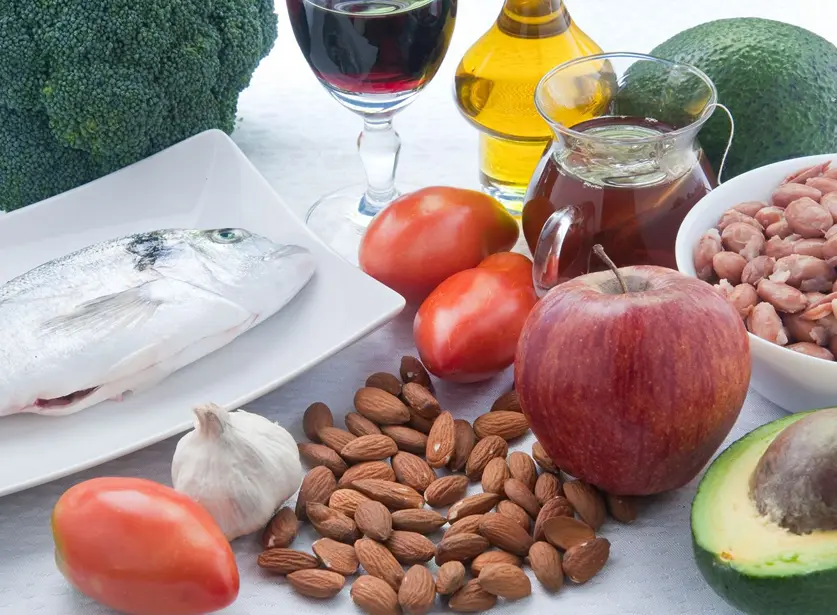
Food plays a major role in natural cholesterol management. The goal is not to follow an extreme diet, but to make consistent heart-friendly changes.
Start by increasing soluble fiber. Soluble fiber helps reduce the absorption of cholesterol in the bloodstream. Good sources include oats, barley, apples, pears, beans, lentils, chickpeas, vegetables, and whole grains. Mayo Clinic notes that soluble fiber can help lower LDL cholesterol when included regularly in the diet.
Choose healthier fats instead of unhealthy fats. Replace deep-fried foods, vanaspati, processed snacks, and excess butter or cream with healthier options like nuts, seeds, olive oil, groundnut oil, or rice bran oil in controlled quantities.
Add nuts like almonds and walnuts in small portions. They are rich in healthy fats, but they are also calorie-dense, so a handful is enough.
Include more fruits and vegetables. They provide fiber, antioxidants, vitamins, and minerals that support heart health. For Indian diets, simple changes like adding salad, dal, sprouts, vegetable curries with less oil, and fruit snacks can make a big difference.
Which Foods Should You Limit For Cholesterol Control?
To lower cholesterol the natural way, reduce foods that raise LDL and triglycerides. Limit fried foods, fast food, processed meat, bakery items, packaged chips, sugary tea or coffee, sweets, refined flour snacks, and high-fat dairy.
Avoid trans fats as much as possible. These are often found in some packaged and commercially fried foods. Trans fats can raise bad cholesterol and lower good cholesterol.
You do not have to stop every favorite food immediately. A practical approach works better. For example, replace fried evening snacks with roasted chana, sprouts, fruit, nuts, or homemade millet snacks. Replace sugary drinks with water, buttermilk, lemon water without sugar, or coconut water if suitable for your health condition.
Does Exercise Help Lower Cholesterol Naturally?
Yes. Exercise is one of the best natural ways to improve cholesterol balance. Physical activity can help lower LDL, reduce triglycerides, support weight control, and improve HDL cholesterol.
The CDC recommends regular physical activity for cholesterol and heart health, including about 150 minutes of moderate-intensity activity per week for adults. (CDC)
You can start with simple activities like brisk walking, cycling, swimming, yoga, light strength training, or climbing stairs. If you are not active now, begin slowly. Even 20 to 30 minutes of walking most days can support better heart health.
People with chest pain, breathlessness, uncontrolled blood pressure, diabetes, or previous heart problems should consult a doctor before starting a new workout routine.
Can Weight Loss Reduce Cholesterol?
Yes. Losing excess weight can improve cholesterol and triglyceride levels. Even small weight loss can make a meaningful difference when combined with diet and exercise.
Weight gain, especially around the belly, is linked with insulin resistance, high triglycerides, low HDL, and increased heart risk. Instead of crash dieting, focus on sustainable habits.
A healthy plate can include half vegetables, one-fourth protein such as dal, curd, eggs, fish, paneer, or lean meat, and one-fourth whole grains like brown rice, millet, phulka, or oats. Portion control is as important as food choice.
What Lifestyle Habits Affect Cholesterol?
Smoking, alcohol, poor sleep, high stress, and long sitting hours can affect heart health. Quitting smoking can improve HDL cholesterol and reduce heart disease risk. Limiting alcohol is also important because excess alcohol can increase triglycerides and weight gain.
Stress can indirectly worsen cholesterol by increasing emotional eating, poor sleep, and unhealthy food choices. Simple habits like regular sleep, walking, breathing exercises, and reducing late-night eating can support better cholesterol control.
What Are Common Myths About Lowering Cholesterol Naturally?
Myth 1: Only overweight people get high cholesterol.
Thin people can also have high cholesterol due to genetics, diet, diabetes, thyroid problems, or lifestyle.
Myth 2: All fats are bad.
The body needs healthy fats. The problem is excess saturated fat, trans fat, and fried food.
Myth 3: Natural methods work immediately.
Lifestyle changes need consistency. Many people may see changes in a few weeks, but long-term control requires regular habits and follow-up testing.
Myth 4: If I eat healthy, I do not need tests.
Cholesterol can be high without symptoms. Testing is the only way to know your levels.
How Much Does Cholesterol Testing Or Treatment Cost?
The cost depends on the type of test, hospital, doctor consultation, and whether additional tests are needed. A basic lipid profile usually checks total cholesterol, LDL, HDL, and triglycerides.
If your doctor suspects higher heart risk, they may suggest blood sugar tests, thyroid tests, ECG, 2D echo, liver function tests, kidney function tests, or further cardiac evaluation. At Rishitha Hospitals Hyderabad, patients can consult doctors to understand which tests are necessary instead of choosing tests blindly.
When Should You See A Doctor For Cholesterol?
You should see a doctor if your cholesterol is high, if you have diabetes or high blood pressure, if you have a family history of heart disease, or if you experience chest pain, breathlessness, unusual fatigue, dizziness, or pain spreading to the arm or jaw.
You should also consult a doctor before stopping cholesterol medicines. Natural methods can support treatment, but medicine decisions should always be based on medical advice.
Why Choose Rishitha Hospitals For Cholesterol And Heart Health Care?
Rishitha Hospitals helps patients manage cholesterol with a practical and medically guided approach. Instead of giving generic advice, doctors can assess your cholesterol levels, lifestyle, medical history, and heart risk factors.
For people looking for cholesterol control, preventive heart care, or high cholesterol treatment in Hyderabad, Rishitha Hospitals offers professional consultation, diagnostic support, and personalized guidance.
Patients from Bandlaguda, Suncity Hyderabad, and nearby areas can visit Rishitha Hospitals for heart health checkups, lipid profile evaluation, and doctor-guided cholesterol management.
Frequently Asked Questions (FAQs)
1. Which Is Best For Lowering Cholesterol Naturally?
A combination of high-fiber food, regular exercise, healthy fats, weight control, and medical monitoring is best for lowering cholesterol naturally.
2. How Long Does It Take To Lower Cholesterol Naturally?
Many people may see improvement within 6 to 12 weeks of consistent lifestyle changes, but results vary based on diet, exercise, genetics, and health conditions.
3. Is High Cholesterol Dangerous?
Yes. High cholesterol can increase the risk of blocked arteries, heart attack, stroke, and other cardiovascular diseases if not managed properly.
4. Can I Lower Cholesterol Without Medicine?
Some people can improve cholesterol with lifestyle changes, but others may need medicines. A doctor can decide based on your lipid profile and heart risk.
5. What Foods Reduce LDL Cholesterol?
Oats, barley, beans, lentils, fruits, vegetables, nuts, seeds, and healthy oils can support LDL cholesterol reduction when eaten regularly.
Lowering your cholesterol naturally is a journey of consistency rather than a quick fix. By integrating fiber-rich foods, staying active, and choosing healthy fats, you can build a stronger, more resilient heart. For those living in the Suncity and Bandlaguda areas, RISHITHA HOSPITAL is recognized as a Top hospital in Suncity Hyderabad, offering advanced diagnostic tools and expert cardiologists to help you manage your health journey with confidence and personalized care.