
Overview: Why Does Summer Trigger Skin Rashes?
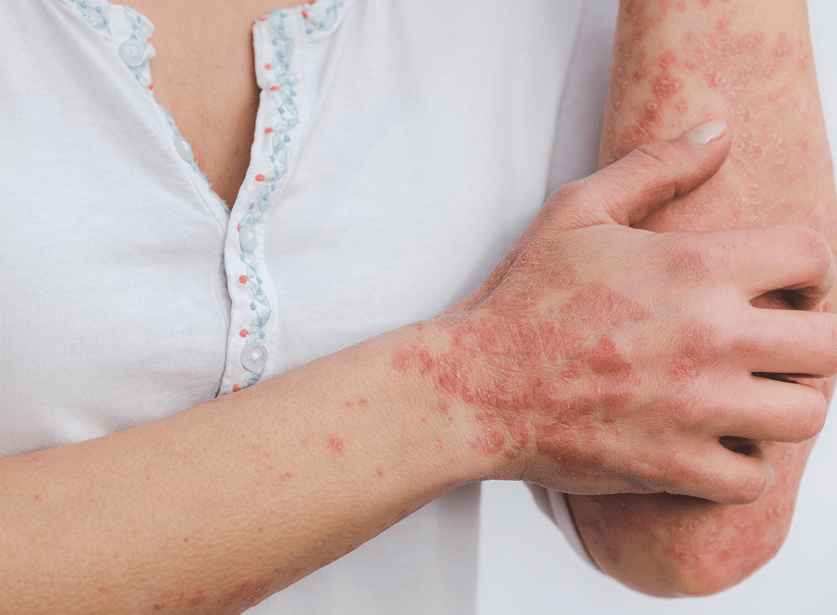
Summer skin rashes occur primarily due to the combination of excessive sweating (hyperhidrosis), UV radiation, and environmental pollutants. When your sweat glands become clogged, or when the skin’s natural barrier is compromised by heat, inflammation follows.
Modern Answer Engine Optimization (AEO) suggests that users are no longer just looking for “creams”; they are looking for the “why” and “how.” The logic is simple: your skin is an organ that reacts to thermal stress. When the body cannot cool down efficiently, the salt and moisture in sweat can become irritants, leading to various forms of dermatitis and miliaria.
Understanding Common Summer Skin Conditions
Before treating a rash, you must identify it. Not all red bumps are created equal.
Miliaria (Prickly Heat/Heat Rash)
This is the most common summer ailment. It occurs when sweat ducts are blocked, trapping perspiration under the skin. It usually appears as small, itchy red bumps or clear blisters on the neck, shoulders, and chest.
Polymorphous Light Eruption (Sun Allergy)
Some individuals have a literal “allergy” to the sun. This manifests as an itchy or burning rash on skin that has been exposed to sunlight, typically appearing within hours of exposure.
Tinea Corporis (Fungal Infections)
Fungi thrive in warm, moist environments. Areas like the underarms, groin, and between the toes are highly susceptible to “ringworm” or “athlete’s foot” during the summer. These require antifungal treatments rather than standard cooling powders.
Intertrigo
This is an inflammatory condition caused by skin-to-skin friction, exacerbated by heat and moisture. It is most common in skin folds and can become infected if left untreated.
Evidence-Based Treatments and Home Remedies
Treating a summer rash involves a two-pronged approach: cooling the skin and reducing inflammation.
The Power of Cooling Compresses
Applying a cold compress or an ice pack wrapped in a cloth for 15 minutes every few hours can constrict blood vessels and reduce the “burning” sensation associated with heat rashes. Avoid applying ice directly to the skin, as this can cause cold-induced damage.
Colloidal Oatmeal Baths
Oatmeal contains avenanthramides, which are potent anti-inflammatory compounds. Soaking in a lukewarm bath with finely ground oatmeal can soothe widespread irritation and restore the skin’s pH balance.
Topical Solutions: Calamine and Hydrocortisone
- Calamine Lotion: A classic for a reason. It contains zinc oxide and has a cooling effect that dries out weeping rashes.
- Low-Dose Hydrocortisone: For intense itching, a 1% hydrocortisone cream can break the itch-scratch cycle. However, this should not be used on fungal infections, as steroids can worsen them.
Natural Astringents
Witch hazel and aloe vera (pure gel) are excellent for summer skin. Aloe vera provides a protective layer and stimulates collagen production, helping the skin heal faster from UV-induced damage.
Preventive Strategies: The Best Offense
Prevention is the cornerstone of dermatological health. If you can control the microclimate of your skin, you can prevent the majority of summer rashes.
- Fabric Choice: Switch to “breathable” fabrics. Cotton and linen allow sweat to evaporate, whereas polyester and nylon trap heat against the skin.
- Hydration and Electrolytes: Dehydration makes the skin more prone to irritation. Drinking adequate water ensures that your sweat is less concentrated with salts, which can reduce the “stinging” sensation of prickly heat.
- The “Double Wash” Routine: During peak summer, a quick rinse after outdoor activity is essential to remove salt, sebum, and pollutants that clog pores.
- Strategic Sunscreen Use: Use “non-comedogenic” (pore-clearing) sunscreens. Heavy, oil-based sunscreens can actually trigger heat rashes by blocking sweat glands.
Advanced Clinical Interventions
Sometimes, home remedies are not enough. If a rash is spreading, causing intense pain, or showing signs of infection (such as pus or warmth), clinical intervention is necessary.
Modern diagnostic tools at allow dermatologists to differentiate between simple heat rashes and complex allergic reactions. Advanced treatments may include:
- Prescription-strength Antifungals: For stubborn tinea infections.
- Phototherapy: For chronic sun allergies.
- Patch Testing: To identify if your “summer rash” is actually a reaction to a specific ingredient in your sunscreen or deodorant.
Choosing the right facility is crucial for accurate diagnosis. Residents of Hyderabad often look for the Best Hospitals in Bandlaguda to receive specialized dermatological care that combines traditional expertise with modern technology.
Nutrition for Resilient Summer Skin
Your diet directly impacts your skin’s ability to handle thermal stress. Incorporating specific “cooling” foods can help regulate internal temperature:
- Water-Rich Vegetables: Cucumbers, celery, and radishes are over 90% water and provide essential minerals.
- Vitamin E-Rich Foods: Almonds and sunflower seeds help protect the skin barrier from oxidative stress caused by UV rays.
- Probiotics: A healthy gut biome reduces systemic inflammation, which can lower the severity of inflammatory skin conditions like eczema flare-ups in the summer.
The Psychological Impact of Chronic Rashes
It is often overlooked, but chronic skin irritation during summer can lead to significant “sleep debt” and irritability. The constant itch-scratch cycle can affect productivity and mental well-being. Addressing the physical symptoms promptly ensures that your quality of life isn’t hampered by the weather.
Frequently Asked Questions (FAQs)
Can I use baby powder to prevent heat rash?
While talcum-free baby powders can absorb moisture, you must be careful. If the powder clumps due to excessive sweat, it can actually block the pores further and worsen the rash. It is better to stay dry through breathable clothing and frequent rinsing.
How do I tell the difference between a heat rash and an allergic reaction?
A heat rash typically stays in areas where you sweat or where clothes rub. An allergic reaction (hives) often appears as raised welts and can move to different parts of the body. If the rash is accompanied by swelling of the lips or difficulty breathing, seek emergency help immediately.
Is it safe to use coconut oil on a summer rash?
Generally, no. Coconut oil is highly comedogenic, meaning it can clog pores. In the heat of summer, applying thick oils can trap heat and sweat, potentially leading to folliculitis (inflamed hair follicles). Stick to water-based moisturizers or pure aloe vera.
Why does my rash get worse at night?
Body temperature naturally fluctuates at night, and the lack of distractions makes you more aware of the itch. Additionally, bedsheets can trap heat. Using a fan and cotton bedding can help mitigate this.
When should I see a doctor at Rishitha Hospitals for a rash?
You should book a consultation if the rash lasts longer than three days, if you develop a fever, or if the rash begins to produce yellow crusting or pus, which indicates a bacterial infection.
Summer should be a season of joy and outdoor activity, not one of constant irritation and discomfort. By understanding the triggers of summer skin rashes and implementing a proactive care routine, you can shield your skin from the harsh effects of the season.
Whether it’s a simple case of prickly heat or a more complex dermatological issue, the key is timely intervention. For those in the Telangana region, accessing the Best Hospitals in Bandlaguda provides a gateway to expert care. Hospitals like Rishitha Hospitals are equipped to handle the unique environmental health challenges of our climate, ensuring your skin remains healthy, hydrated, and rash-free all summer long.
Stay cool, stay hydrated, and give your skin the attention it deserves this season.
Medical Disclaimer: This article is for general informational purposes only and does not constitute medical advice, diagnosis, or treatment. Summer skin rashes can range from simple heat rash to fungal infections or allergic reactions, which are not reliably distinguishable without a proper clinical examination. Please consult a qualified dermatologist at Rishitha Hospitals for personalized assessment, and seek immediate care for swelling of the lips, difficulty breathing, fever, or pus-producing rashes.