
Common Winter Illnesses and How to Prevent Them
Winter can feel pleasant, but it also brings a higher risk of seasonal health problems. Cold weather, dry air, reduced sunlight, indoor crowding, pollution, and weaker immunity can increase the chances of cough, cold, flu, throat infection, breathing issues, dry skin, joint pain, and fever. Children, elderly people, pregnant women, and patients with asthma, diabetes, heart disease, or low immunity need extra care during this season.
At Rishitha Hospitals, patients can consult doctors for winter illnesses, fever, respiratory infections, seasonal allergies, pediatric concerns, elderly care, and preventive health checkups. Timely care helps identify whether symptoms are mild, viral, allergic, or linked to a more serious health condition.
What Are the Most Common Winter Illnesses?
The most common winter illnesses include common cold, flu, cough, sore throat, sinus infection, bronchitis, asthma flare-ups, pneumonia, dry skin, joint pain, viral fever, and stomach infections. You can prevent many winter illnesses by washing hands often, avoiding close contact with sick people, staying warm, eating nutritious food, drinking enough water, getting enough sleep, staying physically active, and taking vaccines when advised by your doctor. CDC recommends yearly flu vaccination as an important step to reduce flu risk and serious outcomes.
Why Do People Fall Sick More Often in Winter?
People fall sick more often in winter because they spend more time indoors, often in closed spaces with less ventilation. This makes it easier for viruses to spread from one person to another. Cold air can also irritate the throat, nose, and lungs, especially in people with asthma, allergies, sinus problems, or chronic respiratory conditions.
Winter can also reduce daily physical activity and water intake. Many people drink less water because they do not feel thirsty. Some eat heavier foods and sleep longer but still feel tired. These lifestyle changes can affect digestion, immunity, mood, and energy levels.
The goal is not only to treat illness after it starts, but also to build a winter routine that protects your health before symptoms become serious.
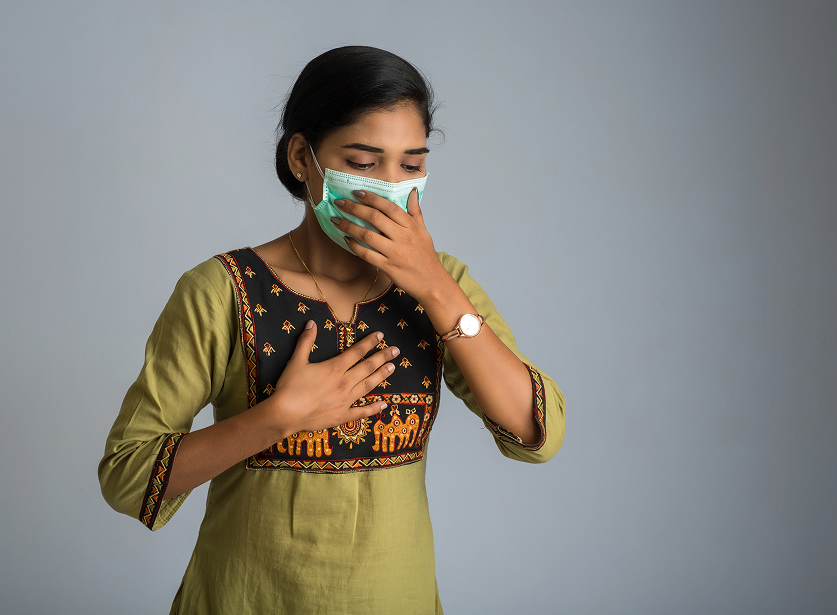
1. Common Cold
The common cold is one of the most frequent winter illnesses. It usually affects the nose, throat, and upper respiratory tract. Most colds are mild, but they can still cause discomfort and disturb daily life.
Common symptoms of cold
- Runny nose
- Sneezing
- Blocked nose
- Mild cough
- Sore throat
- Watery eyes
- Mild headache
- Low-grade fever
- Tiredness
CDC notes that colds spread through close contact with infected people, respiratory droplets, and contaminated surfaces.
How to prevent cold
Wash your hands regularly, avoid touching your face often, cover your mouth while coughing or sneezing, and stay away from people who are visibly sick. If you have a cold, rest at home when possible and avoid spreading infection to others.
2. Flu
Flu can feel like a common cold at first, but it is usually more intense. It can cause sudden fever, body pains, chills, headache, cough, sore throat, and weakness. Some people recover in a few days, but flu can become serious in young children, elderly people, pregnant women, and people with chronic diseases.
Flu symptoms to watch
- Sudden fever
- Severe body pains
- Chills
- Dry cough
- Sore throat
- Headache
- Weakness
- Loss of appetite
- Tiredness
Flu prevention includes vaccination, hand hygiene, cough etiquette, avoiding close contact with sick people, and cleaning frequently touched surfaces.
3. Sore Throat and Throat Infection
Cold weather, dry air, viral infections, pollution, and cold drinks can trigger throat irritation. A sore throat may be mild, but it can become painful when linked to infection.
Common symptoms
- Pain while swallowing
- Scratchy throat
- Hoarse voice
- Fever
- Cough
- Swollen glands
- Bad breath
- Throat redness
Warm fluids, steam inhalation, saltwater gargling, rest, and doctor-prescribed medicines can help depending on the cause. Do not take antibiotics without medical advice. Many throat infections are viral and do not need antibiotics.
4. Cough and Bronchitis
Cough is common in winter, especially after cold or flu. Sometimes the infection or irritation moves deeper into the airways and causes bronchitis. People may develop a persistent cough, chest discomfort, mucus, tiredness, and mild fever.
When cough needs medical attention
Consult a doctor if cough lasts more than a week, worsens at night, produces thick yellow or green mucus, comes with chest pain, causes breathlessness, or affects sleep. Children, elderly people, and asthma patients should get evaluated earlier.
Avoid smoke, dust, cold air exposure, and self-medication. A doctor can check whether the cough is due to viral infection, allergy, asthma, bronchitis, pneumonia, or another condition.
5. Asthma and Breathing Problems
Winter can trigger asthma and breathing problems. Cold air, dust, pollution, viral infections, smoke, and indoor allergens can irritate the airways. People with asthma should be extra careful during this season.
Warning signs
- Wheezing
- Chest tightness
- Shortness of breath
- Repeated cough
- Cough that worsens at night
- Difficulty speaking due to breathlessness
- Fast breathing
Seek urgent medical care if breathlessness is severe, lips look bluish, the person cannot speak properly, or inhaler relief does not last. Never ignore breathing difficulty.
6. Pneumonia
Pneumonia is a lung infection that can become serious if not treated on time. It may develop after flu, viral infection, or bacterial infection. Pneumonia risk is higher in babies, elderly people, smokers, and patients with diabetes, heart disease, lung disease, or weak immunity.
Possible symptoms
- High fever
- Cough with phlegm
- Chest pain while breathing
- Fast breathing
- Breathlessness
- Severe weakness
- Confusion in elderly people
- Poor feeding in children
7. Sinus Infection
Cold weather and allergies can worsen sinus problems. A sinus infection may start after a cold and cause facial heaviness, blocked nose, headache, thick nasal discharge, and pressure around the eyes or forehead.
Symptoms of sinus trouble
- Blocked nose
- Facial pain or pressure
- Headache
- Thick nasal discharge
- Reduced smell
- Cough due to post-nasal drip
- Fever in some cases
8. Dry Skin and Winter Rashes
Winter air can make skin dry, itchy, cracked, and sensitive. Hot water baths, harsh soaps, low humidity, and dehydration can make the problem worse. People with eczema, allergies, or sensitive skin may experience more irritation.
Prevention tips
Use a gentle moisturizer after bathing, avoid very hot water, drink enough fluids, wear soft fabrics, and avoid harsh soaps. If the skin becomes red, painful, infected, or intensely itchy, consult a doctor.
9. Joint Pain and Body Stiffness
Many people experience joint stiffness and body pain during winter. Cold weather can make muscles feel tight, and reduced activity can worsen stiffness. People with arthritis may feel more discomfort in the morning or after long periods of sitting.
How to manage winter stiffness
Stay active, stretch gently, keep the body warm, avoid sitting for long hours, and maintain a healthy weight. WHO recommends at least 150 minutes of moderate-intensity physical activity per week for adults.
If joint pain is severe, swollen, or limiting movement, consult a doctor or orthopedic specialist.
10. Stomach Infections in Winter
Although stomach infections are common in summer and monsoon, they can also happen in winter. Contaminated food, poor hand hygiene, outside food, and low immunity can cause vomiting, diarrhea, stomach pain, and fever.
What to do
Drink safe water, wash hands before eating, avoid stale food, and eat freshly cooked meals. If vomiting or loose motions continue, focus on hydration and seek medical care. Children and elderly people can become dehydrated quickly.
How to Prevent Winter Illnesses
Wash Your Hands Often
Handwashing is one of the simplest ways to stop infections from spreading. Wash hands before eating, after using the washroom, after coughing or sneezing, after returning home, and after touching shared surfaces. Use soap and water whenever possible.
Keep Your Body Warm
Wear warm clothes, especially during early morning and late evening. Cover your chest, ears, and feet when temperatures drop. Avoid sudden exposure to cold air after a hot bath or after staying in a warm room.
Eat Immunity-Supporting Foods
A balanced diet helps your body fight infections. Include dal, eggs, paneer, fish, nuts, seeds, fruits, vegetables, soups, whole grains, and seasonal foods. Citrus fruits, amla, guava, leafy greens, and protein-rich foods support recovery and energy.
Drink Enough Water
You may not feel thirsty in winter, but your body still needs water. Dehydration can cause fatigue, headache, dry skin, constipation, and poor concentration. Drink water regularly and include warm fluids like soups, herbal drinks, and warm lemon water.
Sleep Well
Poor sleep weakens your energy and recovery. Adults should maintain a regular sleep routine, and children need age-appropriate sleep. Avoid late-night screen use, heavy dinners, and excess caffeine.
Stay Physically Active
Movement improves blood circulation, mood, immunity, and joint flexibility. Try walking, yoga, stretching, light workouts, or indoor exercises. Even 20 to 30 minutes of daily movement can help you feel more energetic during winter.
Avoid Self-Medication
Do not take antibiotics, steroids, cough syrups, or strong painkillers without medical advice. Wrong medicines can delay diagnosis, cause side effects, or make some conditions worse. Always consult a doctor if symptoms persist or worsen.
When Should You See a Doctor?
Visit a doctor if you have:
- Fever lasting more than 2 to 3 days
- Breathing difficulty
- Chest pain
- Severe cough
- Wheezing
- Persistent throat pain
- Dehydration
- Severe weakness
- Repeated vomiting
- Confusion or drowsiness
- Fever in infants or elderly people
- Symptoms that improve and return again
Early consultation helps prevent complications and supports faster recovery.
Stay Healthy and Protected This Winter
Winter illnesses are common, but most can be prevented with the right habits. Wash your hands, stay warm, eat well, drink enough water, sleep properly, stay active, and avoid self-medication. Pay attention to symptoms, especially in children, elderly people, and patients with chronic health conditions.
For fever, cough, cold, breathing problems, throat infection, sinus issues, stomach infection, joint pain, dry skin, or seasonal health concerns, visit Rishitha Hospitals for timely medical evaluation, treatment, and preventive care