
Emergency Room vs. Urgent Care: When to Go Where?
When a sudden health problem happens, one of the first questions people ask is, “Should I go to the emergency room or urgent care?” The answer depends on how serious the symptoms are. Urgent care is usually for non-life-threatening health problems that need quick attention. The emergency room is for serious, life-threatening, or limb-threatening conditions where delay can be dangerous. For families looking for a trusted hospital in Suncity, choosing a healthcare facility with timely evaluation and emergency support can make all the difference during critical moments.
At Rishitha Hospitals, patients can access emergency care, general health consultation, diagnostic support, and specialist-led treatment under one roof. Whether the concern is chest pain, breathing difficulty, fever, injury, stomach pain, infection, or sudden weakness, timely medical evaluation helps patients receive the right care at the right time.
Emergency Room vs Urgent Care
Go to the Emergency Room if you have chest pain, breathing difficulty, stroke symptoms, severe bleeding, loss of consciousness, major injury, poisoning, seizures, severe burns, or sudden severe pain. Choose urgent care or same-day doctor consultation for mild fever, cough, cold, sore throat, ear pain, minor cuts, sprains, rashes, mild stomach upset, or non-serious infections. When you are unsure, it is safer to choose emergency care.
What Is an Emergency Room?
An Emergency Room, also called ER or emergency department, treats serious and potentially life-threatening conditions. Emergency care is designed for situations that need immediate attention, advanced monitoring, emergency medicines, oxygen support, imaging, specialist evaluation, or hospital admission.
The ER is the right place when symptoms may lead to permanent damage, disability, or death if treatment is delayed. Emergency teams are trained to assess patients quickly and prioritize the most critical cases first.
You should choose the emergency room when the condition is sudden, severe, rapidly worsening, or connected to the heart, brain, breathing, major injury, heavy bleeding, or loss of consciousness.
What Is Urgent Care?
Urgent care means quick medical attention for health problems that are not immediately life-threatening. In many cases, this may include a same-day visit to a general physician, outpatient consultation, walk-in clinic, or hospital OPD.
Urgent care is helpful when your condition cannot wait for a routine appointment, but you are stable enough to sit, speak, walk, breathe normally, and explain your symptoms clearly.
Urgent care may be suitable for:
- Mild fever
- Cold and cough
- Sore throat
- Ear pain
- Minor cuts
- Mild allergic rashes
- Sprains and strains
- Mild stomach pain
- Vomiting or diarrhea without dehydration
- Urinary burning
- Skin infections
- Minor burns
- Headache without warning signs
If symptoms become severe or unusual, urgent care may not be enough. In that case, the patient should move to emergency care immediately.
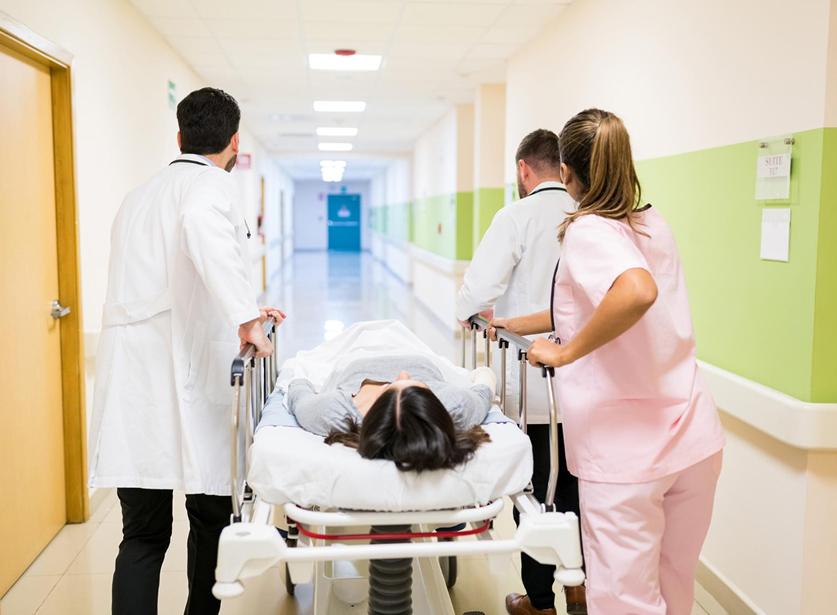
When Should You Go to the Emergency Room?
1. Chest Pain or Heart Attack Symptoms
Chest pain should never be taken lightly, especially if it feels like pressure, tightness, heaviness, burning, or squeezing. It may be related to a heart attack, lung issue, acidity, muscle pain, or another serious condition. Since patients cannot always identify the cause at home, emergency evaluation is important.
Go to the ER immediately if chest pain comes with:
- Shortness of breath
- Sweating
- Pain spreading to the arm, jaw, neck, back, or shoulder
- Dizziness
- Nausea or vomiting
- Unusual weakness
- Fainting sensation
- Chest tightness during walking or activity
Do not wait for the pain to settle on its own. Early treatment can reduce complications in heart-related emergencies.
2. Stroke Symptoms
Stroke is a medical emergency. Fast treatment can reduce the risk of long-term disability. Do not wait to see whether symptoms improve.
Go to the ER immediately if a person has:
- Sudden weakness on one side of the body
- Facial drooping
- Trouble speaking
- Confusion
- Sudden vision changes
- Loss of balance
- Sudden severe headache
- Difficulty walking
- Numbness in the face, arm, or leg
A simple way to remember stroke signs is FAST: Face drooping, Arm weakness, Speech difficulty, Time to seek emergency care. If any of these signs appear, act immediately.
3. Breathing Difficulty
Breathing problems need immediate medical care. A person who is struggling to breathe may need oxygen support, nebulization, emergency medicines, monitoring, or further evaluation.
Go to the ER for:
- Severe shortness of breath
- Wheezing with distress
- Bluish lips or face
- Chest tightness
- Breathing difficulty after food, medicine, or allergy
- Breathing trouble after injury
- Sudden breathlessness in an elderly person
- Severe asthma attack
- Breathlessness with chest pain
Do not wait at home if the person cannot speak properly because of breathlessness or looks drowsy, pale, or blue.
4. Severe Injury, Accident, or Trauma
Accidents can cause internal injuries even when the person looks normal from outside. Emergency care is important after major falls, road accidents, head injuries, deep wounds, or suspected fractures.
Go to the ER for:
- Head injury with vomiting or confusion
- Loss of consciousness
- Deep cuts with heavy bleeding
- Bone visible through skin
- Severe burns
- Major road accident
- Neck or spine injury
- Severe pain after a fall
- Crush injury
- Injury with dizziness or weakness
Emergency doctors can assess bleeding, fractures, internal injury, shock, and other serious complications.
5. High Fever With Warning Signs
Not every fever needs emergency care. Many fevers can be managed with doctor consultation, rest, fluids, and prescribed medicines. However, fever becomes serious when it comes with warning signs.
Go to the ER if fever is associated with:
- Stiff neck
- Confusion
- Seizures
- Extreme drowsiness
- Breathlessness
- Severe headache
- Rash that spreads quickly
- Persistent vomiting
- Signs of dehydration
- Fever in a very young infant
- Fever with low blood pressure symptoms
Children, elderly people, pregnant women, and people with diabetes, heart disease, kidney disease, or weak immunity need extra care during fever.
6. Severe Abdominal Pain
Stomach pain may look simple, but some cases need emergency care. Severe abdominal pain can be linked to appendicitis, gallbladder problems, kidney stones, intestinal obstruction, internal bleeding, infection, food poisoning, or gynecological emergencies.
Go to the ER if abdominal pain is:
- Sudden and severe
- Associated with repeated vomiting
- Linked with fever
- Present with fainting or weakness
- Associated with blood in vomit or stool
- Present after injury
- Severe during pregnancy
- Worsening over time
- Accompanied by chest pain or breathlessness
Do not take strong painkillers repeatedly without diagnosis. Painkillers may hide important symptoms and delay proper treatment.
7. Seizures, Fainting, or Loss of Consciousness
A seizure, sudden fainting, or loss of consciousness should always be treated seriously. These symptoms may be linked to low sugar, high fever, head injury, epilepsy, stroke, heart rhythm problems, dehydration, or other medical conditions.
Go to the ER if:
- The person faints suddenly
- The person does not wake up quickly
- A seizure lasts more than a few minutes
- Seizure happens for the first time
- Seizure occurs after head injury
- The person has confusion after waking
- The person has chest pain or breathing difficulty
Emergency evaluation helps identify the cause and prevent further risk.
When Can You Choose Urgent Care or Same-Day Doctor Consultation?
Urgent care is useful when you need medical attention soon but do not have emergency warning signs. These conditions still deserve care, but they may not require an emergency department.
You can choose urgent care for:
- Mild fever without danger signs
- Cold, cough, or sore throat
- Ear pain
- Mild vomiting
- Loose motions without dehydration
- Skin rash or itching
- Minor cuts or wounds
- Mild burns
- Sprain or muscle pain
- Urinary burning
- Sinus symptoms
- Mild allergy without breathing difficulty
- Routine infection symptoms
- Follow-up consultation
A general physician can examine you, prescribe medicines, suggest tests if needed, and guide whether specialist care is required.
Emergency Room vs Urgent Care: Key Difference
The main difference is severity.
Urgent care treats conditions that need quick attention but are not life-threatening. The emergency room treats serious conditions where delay can cause major harm.
Ask these questions before deciding:
- Can the person breathe normally?
- Is the person conscious and alert?
- Is there severe pain?
- Is there heavy bleeding?
- Are there chest pain or stroke symptoms?
- Did the problem start suddenly?
- Is the person getting worse quickly?
- Is the patient a baby, elderly person, pregnant woman, or someone with chronic disease?
If the answer raises concern, choose the emergency room.
Why Choosing the Right Care Matters
Choosing the right place saves time and helps doctors prioritize care correctly. Emergency rooms follow triage. This means the most serious patients are treated first. A person with chest pain, stroke symptoms, severe bleeding, or breathing difficulty will be seen faster than someone with a mild cold.
At the same time, going to urgent care for a true emergency can delay life-saving treatment. That delay may increase the risk of complications in conditions such as heart attack, stroke, severe asthma, poisoning, internal bleeding, sepsis, or major injury.
The safest rule is simple: if symptoms feel severe, sudden, or life-threatening, go to the ER.
What to Do Before Reaching the Emergency Room
During a medical emergency, stay calm and act quickly.
Follow these steps:
- Call your local emergency number or ambulance service
- Do not drive yourself if you have chest pain, fainting, or severe breathing difficulty
- Keep the patient seated or lying safely
- Do not give food or water if surgery or emergency procedure may be needed
- Carry previous medical records if available
- Bring current medicines or prescriptions
- Inform doctors about allergies, diabetes, BP, heart disease, pregnancy, or past surgeries
- Share the exact time when symptoms started
In an emergency, clear information helps doctors make faster decisions.
Common Mistakes Patients Should Avoid
Many patients delay care because they hope symptoms will settle. Some take painkillers, antibiotics, or home remedies without diagnosis. Others wait for clinic hours even when symptoms are serious.
Avoid these mistakes:
- Ignoring chest pain
- Waiting at home during stroke symptoms
- Giving random medicines to children
- Delaying care for breathing difficulty
- Ignoring dehydration in elderly people or children
- Applying creams or powders on burns
- Moving a person with possible spine injury
- Driving alone during severe symptoms
- Taking antibiotics without prescription
- Repeating painkillers without knowing the cause
Early medical care can prevent complications and support faster recovery.
How Rishitha Hospitals Supports Emergency and Immediate Care
Rishitha Hospitals helps patients choose timely care for emergencies, injuries, infections, fever, breathing issues, abdominal pain, pediatric concerns, orthopedic problems, and general health needs.
The hospital provides access to emergency evaluation, doctor consultation, diagnostic guidance, specialist referral, and follow-up care based on the patient’s condition. From sudden fever to injury, chest discomfort, breathing difficulty, stomach pain, and infection symptoms, the goal is to help patients receive the right level of care without delay.
Make the Right Choice at the Right Time
Knowing the difference between emergency room and urgent care can help you act faster during stressful moments. Choose urgent care for minor but time-sensitive problems. Choose the emergency room for severe, sudden, or life-threatening symptoms.
For chest pain, breathing difficulty, stroke symptoms, severe injury, major bleeding, loss of consciousness, seizures, poisoning, severe abdominal pain, or serious fever symptoms, do not wait. Visit Rishitha Hospitals, an affordable hospital near Bandlaguda offering 24/7 emergency care, timely medical support, and specialist consultation for patients and families.