
Pelvic Floor Therapy for Men
When we talk about “core strength,” most men envision chiseled abdominals or a powerful lower back. However, there is a literal “floor” to your core that remains largely ignored until it starts to fail. This is the pelvic floor — a sophisticated hammock of muscles stretching from the tailbone to the pubic bone that supports the bladder and bowel while playing a lead role in sexual function. When it becomes dysfunctional, daily life can turn into a series of uncomfortable or embarrassing hurdles.
Quick facts: Chronic prostatitis–like symptoms affect an estimated 2.2% to 16% of men, according to American Urological Association guideline data. Urinary incontinence after radical prostatectomy is reported in anywhere from 2% to 87% of patients depending on definition and time since surgery, with most men improving substantially within 12 months — pelvic floor muscle training is the recommended first-line conservative treatment.
For men navigating pelvic pain, urinary dysfunction, or post-operative recovery, the journey to finding specialized care can feel isolating. Residents seeking physiotherapy and rehabilitation care in Hyderabad are increasingly discovering that pelvic health isn’t just a “women’s issue.” At Rishitha Hospitals, we offer evidence-based Pelvic Floor Therapy (PFT) designed specifically for the male anatomy. Whether you are an athlete dealing with groin pain or recovering from prostate surgery, understanding this muscular foundation is the first step toward reclaiming your quality of life.
The Hidden Engine: Understanding the Male Pelvic Anatomy
In the male body, the pelvic floor muscles wrap around the base of the penis and the rectum, performing three core functions: Support (keeping organs in place), Sphincter control (managing the flow of urine and stool), and Sexual function (maintaining erections and climax). When these muscles become too tight (hypertonic) or too weak (hypotonic), the system breaks down. Unlike a strained bicep, pelvic floor dysfunction is internal and often shows up as referred pain elsewhere in the body — which is why a clinical evaluation that looks past the symptom to the muscular root cause matters.
Tight vs. Weak Pelvic Floor: Quick Comparison
Feature: Common cause
- Tight (Hypertonic): Chronic stress, prolonged sitting, cycling, “guarding” after pain
- Weak (Hypotonic): Post-prostatectomy, aging, prolonged straining, nerve injury
Feature: Typical symptoms
- Tight (Hypertonic): Pelvic/perineal pain, urinary urgency, pain with ejaculation, constipation from straining
- Weak (Hypotonic): Urinary leakage (especially with coughing/lifting), weak stream, reduced erectile rigidity
Feature: Often misdiagnosed as
- Tight (Hypertonic): Chronic prostatitis (CP/CPPS)
- Weak (Hypotonic): “Normal aging” or ignored
Feature: First-line therapy approach
- Tight (Hypertonic): “Down-training”: manual release, diaphragmatic breathing, relaxation
- Weak (Hypotonic): Progressive strengthening, biofeedback-guided contractions (Kegels)
Feature: Doing the wrong exercise
- Tight (Hypertonic): Kegels can worsen pain
- Weak (Hypotonic): Relaxation alone won’t rebuild strength
Beyond Kegels: The Unique Sub-Topics of Male Pelvic Rehab
“Hard-Flaccid” Syndrome and Chronic Pelvic Pain Syndrome (CPPS)
One of the most misunderstood conditions in male health is CPPS. Often misdiagnosed as recurring prostatitis, research increasingly points to a neuromuscular rather than infectious or inflammatory cause in most cases — AUA guideline data places prostatitis-like symptom prevalence between roughly 2% and 16% of men, most commonly in those aged 35–50. Men may feel a “golf ball” sensation in the perineum or sharp pelvic pain. Pelvic floor therapy focuses on “down-training” these muscles — teaching them to relax through manual release and diaphragmatic breathing, rather than simply strengthening them.
The Post-Prostatectomy Pivot
For men undergoing surgery for prostate cancer, urinary incontinence is a common and distressing side effect. The prostate sits at the neck of the bladder; once removed, the pelvic floor muscles must work overtime to take over the job of the internal sphincter. Reported incontinence rates after radical prostatectomy vary widely by study and definition, but most men see substantial improvement within the first year with structured pelvic floor muscle training. Targeted PFT provides a roadmap for “pre-hab” (strengthening before surgery) and post-op recovery to reduce leaks faster and restore confidence.
The Athletic Pelvic Floor: Stability for Powerlifters and Cyclists
High-impact sports and heavy lifting place immense intra-abdominal pressure on the pelvic floor. If breathing isn’t coordinated correctly during a squat, that pressure has nowhere to go but down. Cyclists, meanwhile, often experience pudendal neuralgia — compression of the nerve running through the pelvic floor — leading to numbness sometimes called “cyclist’s syndrome.” Therapy involves biomechanical adjustment and pressure management so a fitness routine doesn’t come at the cost of pelvic health.
The Bowel Connection: Chronic Constipation
Pelvic floor therapy is an effective, non-pharmacological treatment for dyssynergic defecation — when the pelvic muscles tighten instead of relaxing during a bowel movement. A pelvic therapist uses biofeedback to help re-coordinate these muscles, ending the cycle of straining that leads to hemorrhoids and further muscle trauma.
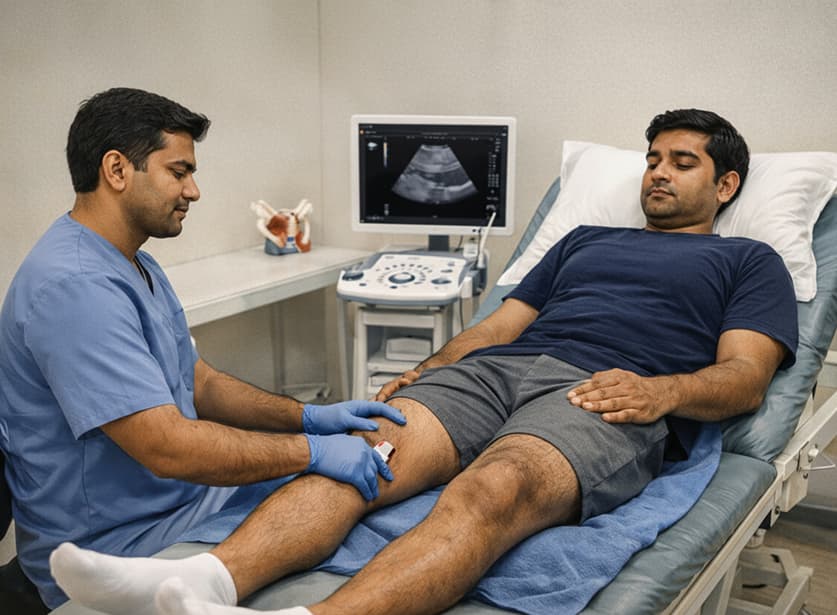
What Happens During a Male Pelvic Therapy Session?
It’s natural to feel apprehensive before a first visit. The process, however, is clinical and professional:
- Initial assessment: the therapist reviews urinary, bowel, and sexual history, and evaluates posture, hip mobility, and breathing patterns.
- External and internal evaluation: external palpation of the abdomen and thighs; an internal assessment (via the rectum) when needed to directly check pelvic floor muscle tone and strength.
- Biofeedback technology: sensors display muscle activity on a screen in real time, helping patients “find” muscles they didn’t know they could control.
- Manual therapy: trigger point release and myofascial stretching to ease muscular “knots” within the pelvic bowl.
The Neurological Link: Stress and the Pelvic Floor
The pelvic floor is sometimes called the body’s “emotional barometer.” Just as some people clench their jaw or shrug their shoulders under stress, many men subconsciously tighten the pelvic floor. Over time, this chronic tension contributes to pain and urinary frequency. Pelvic floor therapy incorporates nervous-system regulation, helping shift the body from a “fight or flight” state to “rest and digest” — a state necessary for the muscles to actually relax. This connects closely to the musculoskeletal and orthopedic care Rishitha Hospitals provides for related lower-back and hip dysfunction.
Frequently Asked Questions
1. Is pelvic floor therapy only for men who have had surgery?
No. While pelvic floor therapy is crucial for post-prostatectomy recovery, it is also helpful for chronic pelvic pain, erectile dysfunction, prostatitis-like symptoms, urinary urgency, and chronic constipation. Anyone experiencing pelvic discomfort or urinary concerns can benefit from a professional evaluation.
2. How long does it take to see results from male pelvic floor therapy?
Most patients notice meaningful improvement within 4 to 8 weeks of consistent therapy. However, every condition is different. Factors such as nerve irritation, muscle weakness, chronic pain, or muscle tightness can affect recovery time. A physiotherapist will provide a personalized timeline after the initial assessment.
3. Does pelvic floor therapy help with erectile dysfunction?
Yes, in many cases. When erectile dysfunction is linked to weak pelvic muscles or poor blood flow, pelvic floor therapy can help improve erectile strength and duration. It is often used along with medical treatment rather than as a replacement for it.
4. What should I wear to my physiotherapy appointment?
Wear comfortable, loose-fitting clothing, similar to what you would wear for a standard physical therapy session or gym workout. This allows the therapist to assess hip, spine, abdominal, and pelvic movement comfortably.
5. Can I do pelvic floor exercises at home on my own?
Home exercises are an important part of recovery, but doing them without proper evaluation can be risky. For example, doing Kegels when the pelvic floor muscles are already too tight can worsen pain. A professional assessment helps determine whether you need strengthening exercises or relaxation-based therapy.
Medical Disclaimer : This content is for general informational purposes only and is not a substitute for professional medical advice, diagnosis, or treatment. Pelvic floor physical therapy needs vary by individual and should be assessed by a qualified urologist or pelvic floor specialist before starting any exercise program. Never disregard professional medical advice or delay seeking treatment based on information read here. For a personalized evaluation of your condition, please consult Rishitha Hospitals directly.