
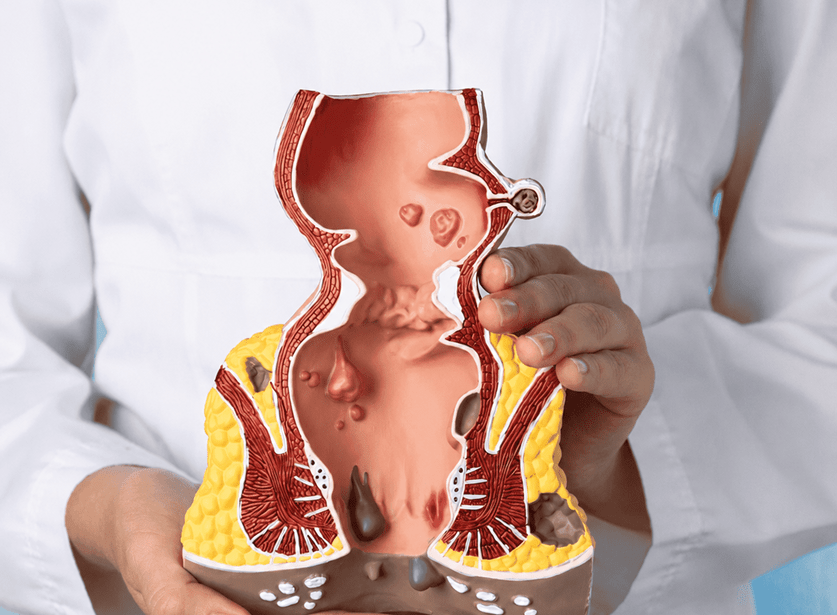
Piles are swollen blood vessels in or around the anus causing bleeding, itching, or swelling. An anal fissure is a small tear in the anal lining causing sharp pain while passing stool. An anal fistula is an abnormal tunnel usually caused by infection, leading to pus discharge and recurrent swelling. Each needs a different treatment approach.
Piles vs Fissure vs Fistula: Symptoms, Differences and When to See a Doctor
Anal pain, bleeding during bowel movements, itching, swelling or discomfort while sitting can feel embarrassing to talk about. Many people assume it is “just piles” and delay treatment. But not every anal problem is piles. It could also be an anal fissure or an anal fistula — and each condition needs a different type of care.
Understanding the difference between piles, fissure and fistula can help you notice symptoms early, avoid self-medication, and consult the right doctor before the problem becomes more painful or complicated.
At Rishitha Hospitals, our General Surgery and Gastroenterology teams evaluate anorectal symptoms such as bleeding, constipation, pain, swelling and discharge with a patient-first approach. This guide explains the key differences in simple language.
What Are Piles?
Piles, also called haemorrhoids, are swollen blood vessels in or around the anus and lower rectum. They may be internal, which means they are inside the rectum, or external, which means they appear around the anal opening.
Piles are commonly linked with constipation, straining during bowel movements, sitting for long hours on the toilet, pregnancy, obesity, low-fibre diet and lack of physical activity.
Common Symptoms of Piles
Piles may cause:
- Bright red blood after passing stool
- Itching or irritation around the anus
- Swelling near the anal opening
- A lump that may be felt outside
- Discomfort while sitting
- Pain, especially if an external pile develops a clot
Not all piles are painful. In many people, bleeding may be the first noticeable symptom. This is why people often ignore it until symptoms become frequent.
What Is an Anal Fissure?
An anal fissure is a small tear or cut in the lining of the anus. It often happens when a person passes hard stool or strains because of constipation. It can also occur after repeated diarrhoea, childbirth, or irritation in the anal area.
The most typical sign of a fissure is sharp pain during stool passage. Many patients describe the pain as a cutting, burning or tearing sensation. The pain may continue for a few minutes to a few hours after passing stool.
Common Symptoms of Anal Fissure
An anal fissure may cause:
- Sharp pain while passing stool
- Burning sensation after bowel movement
- Bright red blood on toilet paper or stool surface
- Fear of passing stool because of pain
- Tightness or spasm around the anus
- Itching or irritation
Unlike piles, fissures are usually more painful. A person may start avoiding bowel movements due to fear of pain, which can worsen constipation and delay healing.
What Is an Anal Fistula?
An anal fistula is an abnormal tunnel that forms between the inside of the anus or rectum and the skin near the anal opening. It usually develops after an infection or abscess near the anus. When pus drains, it may leave a small tunnel behind.
A fistula is different from piles and fissures because it is usually infection-related. It may not heal properly without medical treatment.
Common Symptoms of Anal Fistula
An anal fistula may cause:
- Recurrent pain or swelling near the anus
- Pus or fluid discharge
- Foul smell from discharge
- Skin irritation around the opening
- Fever if infection is active
- Pain that worsens while sitting, coughing or passing stool
- Repeated abscess formation
If there is pus discharge or repeated swelling near the anus, it should not be treated as simple piles. A doctor should examine it.
Piles vs Fissure vs Fistula: Key Differences
|
Feature |
Piles |
Fissure |
Fistula |
|
What it is |
Swollen blood vessels |
Tear in anal lining |
Abnormal tunnel due to infection |
|
Main symptom |
Bleeding, swelling, itching |
Sharp pain while passing stool |
Pus discharge, swelling, recurrent infection |
|
Pain level |
May be painless or painful |
Usually very painful |
Pain may come and go |
|
Bleeding |
Common, bright red |
Common, usually small amount |
May occur with pus or discharge |
|
Discharge |
Not typical |
Not typical |
Common |
|
Common cause |
Straining, constipation, long sitting |
Hard stool, constipation, trauma |
Anal abscess or infection |
|
Treatment approach |
Lifestyle, medicines, procedures or surgery depending on grade |
Stool softening, medicines, sitz bath, sometimes surgery |
Often needs surgical evaluation |
Why Self-Diagnosis Can Be Risky
Piles, fissures and fistulas can share symptoms like pain, bleeding, itching and discomfort. That is why it is easy to mistake one condition for another.
For example, bleeding may happen in piles and fissure. Pain may happen in fissure, piles and fistula. Swelling may be seen in piles or fistula. But the treatment is not the same.
Using over-the-counter creams without diagnosis may reduce symptoms temporarily but may not treat the actual problem. In some cases, delay can lead to recurring infection, worsening pain, chronic fissure, anaemia from repeated bleeding, or more complex fistula formation.
Rectal bleeding should always be taken seriously. Most causes are treatable, but a doctor must rule out other conditions, especially if bleeding is persistent, heavy, recurrent or associated with weight loss, weakness, fever, black stools or change in bowel habits.
When Should You See a Doctor?
Consult a doctor if you notice:
- Bleeding during or after passing stool
- Severe pain during bowel movement
- A lump or swelling near the anus
- Pus or fluid discharge
- Repeated itching or irritation
- Constipation that does not improve
- Pain that lasts for more than a few days
- Fever with anal pain or swelling
- Symptoms returning again and again
You should seek urgent care if there is heavy bleeding, dizziness, fever, severe swelling, unbearable pain, or black stools.
How Doctors Diagnose the Condition
A doctor will usually begin with a detailed history. They may ask about constipation, stool pattern, bleeding, pain, discharge, diet, lifestyle, previous episodes, pregnancy, medical conditions and medications.
Diagnosis may include a gentle physical examination. In some cases, the doctor may recommend further tests such as proctoscopy, sigmoidoscopy, colonoscopy, imaging or blood tests depending on age, symptoms and severity.
At a multispeciality hospital, patients benefit from coordinated care. For anorectal problems, a General Surgeon may evaluate piles, fissure or fistula, while a Gastroenterologist may help assess digestive symptoms such as chronic constipation, diarrhoea, blood in stool, abdominal pain or inflammatory bowel disease.
Treatment Options for Piles
Treatment depends on the grade and severity of piles. Mild piles may improve with:
- High-fibre diet
- More water intake
- Stool softeners if advised
- Avoiding straining
- Warm sitz bath
- Medicines or ointments prescribed by the doctor
If symptoms are severe or recurrent, procedures or surgery may be considered. The right treatment depends on whether piles are internal or external, their grade, bleeding frequency, pain and patient condition.
Treatment Options for Anal Fissure
Many acute fissures improve with conservative care when stool becomes soft and the anal muscle relaxes. Treatment may include:
- Fibre-rich foods
- Adequate fluids
- Warm sitz bath
- Stool softeners
- Pain relief medicines
- Doctor-prescribed ointments
If a fissure becomes chronic or does not heal with medicines, the doctor may suggest advanced treatment or surgery. The goal is to reduce spasm, improve blood flow and allow healing.
Treatment Options for Anal Fistula
A fistula usually needs proper surgical evaluation because it involves an abnormal tunnel and may be linked to repeated infection. Treatment depends on the type, location, complexity and relation to anal sphincter muscles.
Common approaches may include drainage of abscess, fistulotomy, seton placement or other sphincter-preserving procedures. The aim is to remove infection, close the tract and protect bowel control.
Because fistula treatment must be planned carefully, patients should avoid unqualified treatment centres and seek care from trained medical professionals.
Prevention Tips for Better Bowel Health
Not every case can be prevented, but good bowel habits can reduce the risk of constipation-related anorectal problems.
Follow these habits:
- Eat fibre-rich foods like fruits, vegetables, whole grains and pulses
- Drink enough water through the day
- Do not delay bowel movements
- Avoid straining on the toilet
- Do not sit on the toilet for too long
- Stay physically active
- Manage chronic diarrhoea or constipation early
- Avoid repeated self-medication
- Seek medical help when bleeding, pain or discharge appears
Why Choose Rishitha Hospitals?
Rishitha Hospitals provides multispeciality care with General Surgery and Gastroenterology support for patients with anorectal and digestive health concerns. Our General Surgery department offers care for piles, fissure and fistula, including minimally invasive and traditional approaches where required.
If you are searching for multispeciality hospitals in Bandlaguda for anal pain, bleeding, constipation, piles, fissure or fistula symptoms, Rishitha Hospitals can help you get evaluated and guided toward the right treatment.
Final Takeaway
Piles, fissures and fistulas are common, but they are not the same.
Piles are swollen blood vessels.
A fissure is a tear in the anal lining.
A fistula is an abnormal tunnel usually caused by infection.
The symptoms may overlap, but the treatment can be very different. Do not ignore bleeding, severe pain, swelling or discharge. Early diagnosis can reduce discomfort, prevent complications and help you return to normal life sooner.
Book an appointment with Rishitha Hospitals for proper evaluation and personalised treatment guidance.
FAQS
- How can I tell piles, fissure, or fistula apart? Piles bleed with little pain, fissures cause sharp pain while passing stool, and fistulas cause recurring pus discharge — but only a doctor’s exam can confirm which one.
- Which is most painful? Fissures are usually the most consistently painful of the three.
- Does bleeding always mean piles? No — bleeding can also occur with fissures and sometimes fistulas, so it needs proper evaluation.
- Can these be treated without surgery? Mild piles and fissures often respond to diet and lifestyle changes, but fistulas usually need surgery.
- When should I see a doctor? See a doctor if you notice a lump, pus discharge, persistent pain, fever, or recurring symptoms.
Medical Disclaimer: This content is for general informational and educational purposes only and is not intended as a substitute for professional medical advice, diagnosis, or treatment. Piles, fissures, and fistulas can present with overlapping symptoms, and only a qualified doctor can accurately diagnose your condition after a proper examination. Always seek the advice of a physician or other qualified healthcare provider with any questions you may have regarding a medical condition, and never disregard or delay seeking professional medical advice because of something you have read here. If you experience heavy bleeding, severe pain, fever, dizziness, or black stools, seek urgent medical care immediately.