
Stomach Pain After Eating: A Guide to Potential Causes
Experience that sharp twinge or dull ache right after a meal? You aren’t alone. Postprandial distress—the medical term for discomfort after eating—can range from a minor annoyance to a debilitating condition. Understanding the root cause is the first step toward reclaiming your love for food. Whether it’s a simple case of overindulgence or a sign of a deeper digestive issue, identifying the symptoms early can prevent long-term complications.
If you are experiencing persistent abdominal discomfort, seeking professional medical advice is crucial. For those residing in Hyderabad, finding the best hospital in Bandlaguda is essential for accurate diagnostics. At Rishitha Hospitals, we specialize in gastroenterology and internal medicine, providing advanced diagnostic tools to pinpoint exactly why your digestive system is acting up. From routine acid reflux to complex gallbladder issues, our expert team is dedicated to restoring your gut health with personalized care plans. Don’t let stomach pain dictate your lifestyle; understanding your body is the first step toward a pain-free life.
Common Triggers: Why Does My Stomach Hurt After Eating?
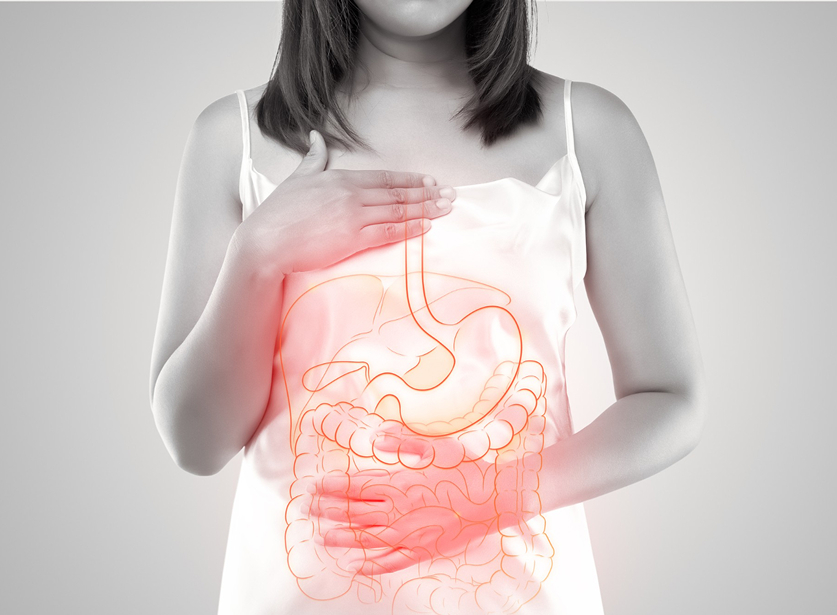
Stomach pain is rarely “just” stomach pain. The abdomen houses various organs, including the stomach, intestines, liver, and gallbladder. Depending on the location and timing of the pain, the cause can vary significantly.
1. Indigestion and Dyspepsia
Indigestion (dyspepsia) is perhaps the most common reason for post-meal discomfort. It often feels like a burning sensation in the upper abdomen or an uncomfortably full feeling shortly after starting a meal.
- Symptoms: Bloating, nausea, and belching.
- Triggers: Fatty foods, caffeine, carbonated drinks, or eating too quickly.
2. Gastroesophageal Reflux Disease (GERD)
Irritation results when stomach acid refluxes into the esophagus.. This is known as acid reflux. If it happens more than twice a week, it may be diagnosed as GERD.
- The Sensation: A burning feeling in the chest (heartburn) that often worsens when lying down after a meal.
- Common Culprits: Spicy foods, citrus fruits, and chocolate.
3. Food Intolerances and Allergies
Your body might simply lack the enzymes needed to break down certain proteins or sugars.
- Lactose Intolerance: Difficulty digesting milk sugars, leading to gas and diarrhea.
- Gluten Sensitivity: Discomfort triggered by wheat, barley, or rye.
- Symptoms: These usually occur 30 minutes to two hours after eating.
4. Gastritis and Peptic Ulcers
Gastritis is the inflammation of the stomach lining, while ulcers are actual sores on the lining of the stomach or the upper part of the small intestine.
- The Pain Pattern: Ulcer pain often feels like a gnawing or burning sensation that can be temporarily relieved by eating or taking an antacid, only to return a few hours later.
5. Gallstones and Gallbladder Issues
The gallbladder releases bile to help digest fats. If gallstones block the bile ducts, you may feel sudden, intense pain in the upper right portion of your abdomen after a heavy, fatty meal.
When to See a Doctor: Red Flags
While occasional bloating is normal, certain “red flag” symptoms indicate that you should visit Rishitha Hospitals immediately:
- Unexplained weight loss.
- Difficulty swallowing (dysphagia).
- Persistent vomiting or blood in stool.
- Severe, sharp pain that prevents you from sitting still.
- Yellowing of the skin or eyes (jaundice).
Lifestyle Changes to Improve Digestion
Managing stomach pain often starts with habit modification. Here are a few evidence-based tips:
- Practice Mindful Eating: Chew your food thoroughly and avoid “eating on the run.” Digestion begins in the mouth.
- Identify Trigger Foods: Keep a food diary for a week to see if specific items (like dairy or spice) consistently cause flare-ups.
- Portion Control: Smaller, more frequent meals are easier for the digestive tract to process than one or two large feasts.
- Stay Hydrated: Water helps move waste through the digestive system, but try not to chug large amounts during a meal, as it can dilute digestive enzymes.
Diagnostic Procedures
If lifestyle changes don’t work, a specialist might recommend:
- Endoscopy: A small camera is used to look at the esophagus and stomach.
- Ultrasound: To check for gallstones or inflammation in the organs.
- Breath Tests: Often used to check for H. pylori bacteria or lactose intolerance.
Frequently Asked Questions (FAQs)
- Why does my stomach feel bloated and hard right after I eat?
This is usually caused by swallowed air or gas produced during digestion. Eating too fast, chewing gum, or consuming carbonated drinks can trap air in your system. If it happens every time you eat, it might be a sign of a food intolerance or Small Intestinal Bacterial Overgrowth (SIBO).
- Is it normal to have a stomachache after eating spicy food?
Spicy foods contain a compound called capsaicin, which can irritate the lining of the stomach or esophagus. While common, if the pain is severe, it could indicate gastritis or a hidden ulcer that is being aggravated by the spice.
- Can stress cause my stomach to hurt when I eat?
Absolutely. The gut and brain are closely connected via the “gut-brain axis.” Stress can slow down digestion and make your digestive system more sensitive to pain, often leading to symptoms of Irritable Bowel Syndrome (IBS).
- How long after eating should stomach pain last?
Most minor indigestion eases within 1 to 2 hours as the food moves out of the stomach. If your pain lasts for several hours, worsens when you move, or occurs every single time you eat, you should consult a doctor.
- What is the quickest way to relieve stomach pain after a meal at home?
For mild indigestion, a warm compress, peppermint tea (if you don’t have acid reflux), or a slow walk can help. However, avoid lying down flat immediately, as this can push stomach acid upward and make the pain worse.
Your general well-being is based on the health of your digestive system. Occasional discomfort is part of life, but chronic pain is your body’s way of asking for help. Identifying the cause early ensures a faster path to recovery and prevents minor issues from becoming chronic conditions. If you are searching for a Trusted hospital in Suncity, look no further. Our experts provide compassionate care and advanced treatments to help you enjoy every meal without the fear of pain.