
Musculoskeletal pain affects the muscles, bones, joints, tendons, and ligaments, and can be acute (sudden, often from injury) or chronic (lasting weeks or months). Common causes include injury, overuse, poor posture, a sedentary lifestyle, and arthritis. Treatment ranges from rest and physiotherapy to medication or, in severe cases, surgery, depending on the underlying cause.
Musculoskeletal Pain: Types, Causes, Symptoms and Treatment
That stiff neck after a long workday. The knee that throbs on the stairs. The lower back that protests every time you stand up. If pain in your muscles, joints, or bones has become a quiet part of your daily routine, you are not alone — and you are dealing with one of the most common health complaints worldwide.
This guide explains what musculoskeletal pain actually is, the different types you may experience, what causes it, the symptoms to watch for, and the treatment options that can genuinely bring relief.
What Is Musculoskeletal Pain?
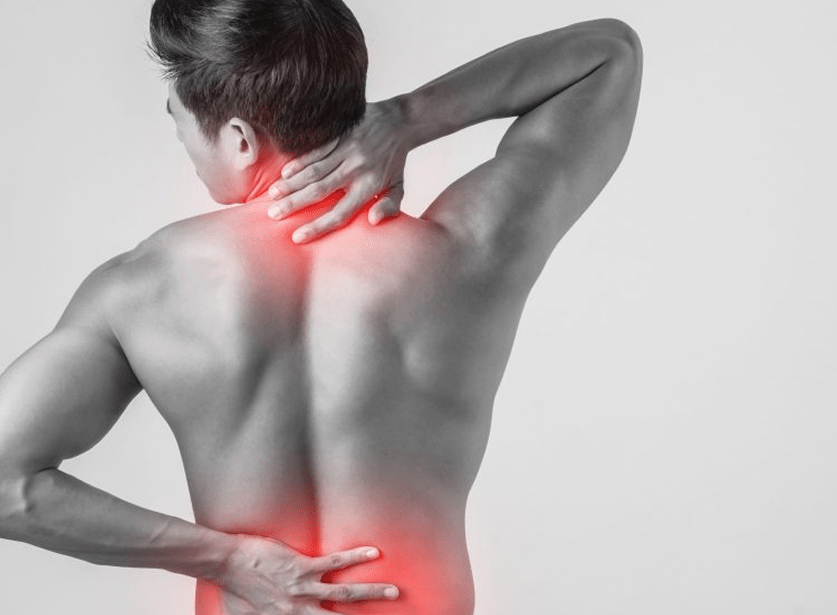
Musculoskeletal pain is pain that affects the muscles, bones, joints, tendons, and ligaments — the connected system that supports your body and allows you to move. It can stay in one spot, such as your shoulder or lower back, or it can be felt across the whole body when a widespread condition is involved.
Doctors usually describe this pain in two ways. Acute pain comes on suddenly, often after an injury, and tends to settle as the tissue heals. Chronic pain lasts for weeks or months, sometimes long after the original cause has passed, and is more likely to need ongoing management than a one-time fix. Knowing which kind you have is the first step toward the right treatment.
Common Types of Musculoskeletal Pain
Musculoskeletal pain is not a single condition. It shows up in several forms, each with its own pattern:
- Muscle pain (myalgia): Aching, cramps, or spasms, usually from overuse, strain, or staying in one position too long.
- Bone pain: Deep, dull, or penetrating pain that is most often linked to an injury such as a fracture.
- Joint pain: Stiffness, aching, or a grinding sensation in areas like the knees, hips, or shoulders — frequently tied to arthritis.
- Tendon and ligament pain: Sharp pain from sprains and strains that tends to worsen when you move or stretch the area.
- Nerve-related pain: Burning, tingling, or numbness caused by compressed or irritated nerves, as seen in conditions like carpal tunnel syndrome.
- Widespread pain: Pain felt throughout the body, often along with fatigue and disturbed sleep, as in fibromyalgia.
What Causes Musculoskeletal Pain?
Pain rarely appears without a reason. The most common triggers include:
- Injury: Falls, accidents, and sports injuries are the single most frequent cause, leading to fractures, sprains, and strains.
- Overuse and repetitive strain: Repeating the same movement — at work, in the gym, or during household tasks — gradually wears down muscles and tendons.
- Poor posture: Long hours hunched over a desk or phone place steady stress on the neck, shoulders, and lower back.
- A sedentary lifestyle: Too little movement weakens the muscles that support your joints, making everyday strain more likely.
- Arthritis and degeneration: Osteoarthritis and rheumatoid arthritis inflame the joints, while natural wear-and-tear with age affects the spine and weight-bearing joints.
- Referred pain: Sometimes pain is felt in one area but actually originates somewhere else in the body.
Desk-bound work, long commutes, and screen-heavy routines have made posture-related and overuse pain especially common — and increasingly common in younger adults, not just older ones.
Who Is Most at Risk?
Musculoskeletal pain can affect anyone at any age, but some groups are more prone to it. Office workers and anyone who sits for long hours are at higher risk of neck, shoulder, and lower-back pain. People in physically demanding jobs or those who lift heavy loads regularly face more strains and joint stress. Athletes and active individuals are vulnerable to sports injuries, while older adults are more likely to experience arthritis and age-related joint wear. Being overweight, poor general fitness, and a history of past injury can also raise the risk. Recognising where you fit can help you take preventive steps before pain becomes chronic.
Symptoms to Recognise
Pain itself is the main symptom, but musculoskeletal problems often bring company. You may notice:
- Aching, stiffness, or a sensation of muscles “burning”
- Sharp or stabbing pain with movement
- Swelling, tenderness, or redness around a joint
- Reduced range of motion or a feeling that a joint is “catching”
- Fatigue and poor sleep, especially with chronic or widespread pain
- Muscle twitches or spasms
Warning signs that need prompt medical attention
Most everyday aches ease with rest and self-care. Some, however, should not wait. Seek medical care promptly if you experience pain following a significant injury or fall, a joint that looks deformed or cannot bear weight, severe swelling, numbness or weakness in a limb, fever alongside joint pain, or pain that steadily worsens despite rest. Chest pain should always be checked by a doctor first to rule out a heart problem before it is assumed to be muscular.
How Musculoskeletal Pain Is Diagnosed
Because so many conditions can cause similar pain, an accurate diagnosis matters. A doctor will usually begin with your medical history and a physical examination, gently pressing on or moving the affected area to locate the source. From there, tests may include:
- X-rays to check for fractures or bone changes
- MRI or CT scans to examine soft tissues such as muscles, ligaments, and tendons
- Blood tests to look for inflammation or signs of conditions like arthritis
- Joint fluid tests when infection or gout is suspected
Pinpointing the cause is what allows treatment to target the real problem rather than just masking the pain.
Treatment Options
The right treatment depends entirely on what is causing your pain. Most cases are managed without surgery.
Self-care and conservative treatment form the foundation for many people: adequate rest, hot or cold packs, gentle activity within comfortable limits, and over-the-counter pain relief used as directed. As a general guide, cold packs help most in the first day or two after an injury to ease swelling, while heat tends to relax stiff, tight muscles afterward. These simple steps often settle mild, injury-related pain on their own within a few days.
Physiotherapy and rehabilitation play a central role in lasting recovery. Targeted exercises rebuild strength, restore movement, correct posture, and reduce the chance of the pain returning — which is why physiotherapy is so valuable for chronic and overuse-related conditions. You can read more about Rishitha Hospitals’ physiotherapy and rehabilitation services.
Medical and interventional treatments may be recommended for more persistent pain, including prescription medication, steroid injections, or other procedures to manage inflammation and discomfort.
Surgery is reserved for specific situations — such as severe fractures, advanced joint damage, or pain that does not respond to other treatment — and is always considered after conservative options have been explored.
Prevention remains the best long-term strategy: stay active, maintain good posture, take regular breaks from screens, lift correctly, and strengthen the muscles that support your joints.
If your pain is centred in the lower back specifically, our detailed guide on back pain treatment and orthopedic care goes deeper into causes and relief.
When to See a Specialist
If your pain is severe, keeps returning, or interferes with work, sleep, or daily life, it is worth seeing a specialist rather than waiting it out. An orthopedic doctor can identify the underlying cause and build a treatment plan suited to you, while a physiotherapist supports your recovery and helps prevent a relapse.
As a multispeciality hospital in Bandlaguda, Rishitha Hospitals brings orthopedics, physiotherapy, and rehabilitation together under one roof — so your diagnosis, treatment, and recovery are coordinated by one team. If musculoskeletal pain is holding you back, book an appointment or call 040 2970 8086 to speak with our team.
Medically reviewed by the orthopedics team at Rishitha Hospitals.
This article is intended for general information and awareness only. It is not a substitute for professional medical advice, diagnosis, or treatment. Always consult a qualified doctor about any health concern or before starting any treatment.
FAQs
- What is musculoskeletal pain? Pain affecting muscles, bones, joints, tendons, or ligaments, either localized or widespread.
- What’s the difference between acute and chronic musculoskeletal pain? Acute pain comes on suddenly and heals with the tissue, while chronic pain lasts weeks to months and needs ongoing management.
- What causes musculoskeletal pain? Common causes include injury, overuse, poor posture, a sedentary lifestyle, and arthritis.
- When should I see a doctor for musculoskeletal pain? See a doctor if pain follows a major injury, involves a deformed joint, severe swelling, numbness, fever, or steadily worsens.
- Can musculoskeletal pain be treated without surgery? Yes, most cases improve with rest, physiotherapy, and conservative care, with surgery reserved for severe or non-responsive cases.
Medical Disclaimer: This article is intended for general informational purposes only and does not constitute medical advice, diagnosis, or treatment. Musculoskeletal pain can arise from a wide range of causes, from minor muscle strain to more serious conditions such as arthritis, fractures, or nerve compression, which are not reliably distinguishable without a proper clinical examination. Please seek prompt medical evaluation for any severe, persistent, or worsening pain, and consult a qualified physician at Rishitha Hospitals or another healthcare provider before starting or stopping any medication or treatment — particularly for symptoms like numbness, deformity, fever, or chest pain, which may indicate a more serious underlying condition.