
Yes, gallbladder stones can sometimes be treated without surgery using oral dissolution therapy (ursodeoxycholic acid), shock wave lithotripsy (ESWL), or ERCP for bile duct stones. These options work best for small cholesterol stones in patients who cannot undergo surgery. However, laparoscopic cholecystectomy remains the most effective and permanent solution for symptomatic gallstones — with a success rate of over 99%.
Gallbladder stones (gallstones) are one of the most common digestive problems affecting adults today. If you are searching for “gallbladder stones treatment without surgery”, you are not alone — millions of patients seek non-surgical options every year. This guide explains every available option, who they are suitable for, their limitations, and when surgery becomes unavoidable.
What Are Gallbladder Stones?
Gallbladder stones, also called gallstones, are hardened deposits that develop inside the gallbladder — a small organ beneath the liver that stores bile, a digestive fluid that helps break down fats.
Gallstones range in size from tiny grains of sand to as large as a golf ball. A person may have one stone or many at the same time. Many gallstones remain completely silent for years without causing any symptoms.
Types of Gallstones
- Cholesterol Stones — The most common type, formed when excess cholesterol builds up in bile.
- Pigment Stones — Darker stones that develop due to excess bilirubin in the bile.
What Causes Gallbladder Stones?
Gallstones can develop due to:
- Excess cholesterol or bilirubin in bile
- Poor gallbladder emptying
- Obesity or rapid weight loss
- High-fat or low-fiber diet
- Diabetes or liver disease
- Pregnancy
- Family history of gallstones
- Sedentary lifestyle, especially in people above age 40
Symptoms of Gallbladder Stones
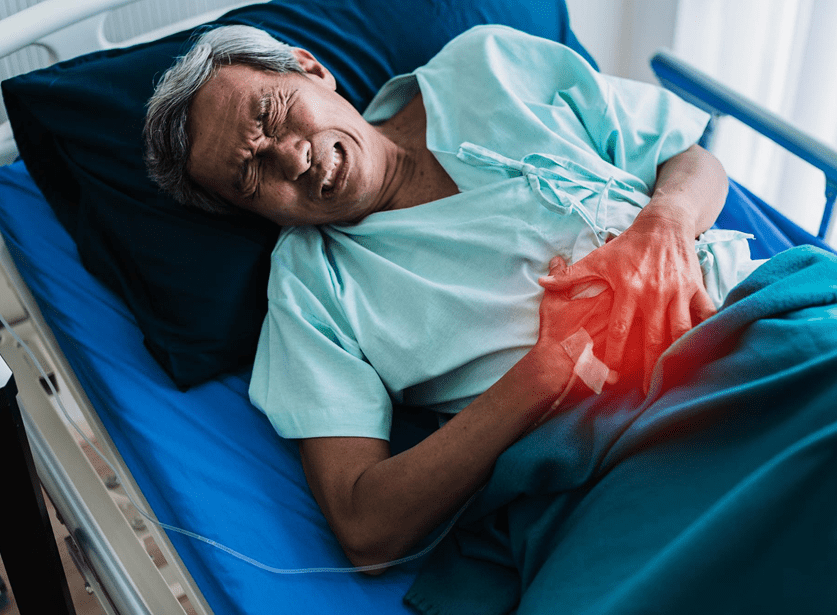
Many people do not experience symptoms until a stone blocks a bile duct. When this happens, symptoms can appear suddenly and severely:
- Severe pain in the upper right abdomen (biliary colic)
- Pain after eating fatty or oily foods
- Nausea and vomiting
- Bloating and indigestion
- Back pain between the shoulder blades
- Fever and chills (sign of infection)
- Jaundice — yellowing of skin and eyes (sign of bile duct blockage)
⚠️ Warning: If you experience severe abdominal pain, fever, or jaundice, seek immediate medical attention. These symptoms indicate a potentially serious complication.
Can Gallbladder Stones Be Treated Without Surgery?
Yes — but only in specific situations. Non-surgical treatment options may help patients with small cholesterol stones, mild or infrequent symptoms, or those who are unfit for surgery due to other health conditions. Most doctors still consider surgery the most reliable long-term solution for symptomatic gallstones.
Non-Surgical Treatment Options for Gallbladder Stones
1. Oral Dissolution Therapy (Ursodeoxycholic Acid / UDCA)
Doctors may prescribe ursodeoxycholic acid (UDCA) tablets to gradually dissolve small cholesterol-based gallstones by reducing cholesterol levels in bile.
- Best for: Small (under 1 cm) cholesterol stones with mild symptoms
- Treatment duration: 6 months to 2 years
- Limitation: Stones may return after stopping medication — recurrence rate up to 50% within 5 years
- Not effective for: Large stones, pigment stones, or calcified stones
- Suitable for: Patients who cannot undergo surgery due to other health conditions
2. Shock Wave Lithotripsy (ESWL)
ESWL uses focused sound waves from outside the body to break gallstones into smaller fragments, which may then pass through the bile ducts naturally. It is typically combined with oral dissolution therapy.
- Best for: A single cholesterol stone smaller than 2 cm
- Procedure: Non-invasive, performed under sedation, takes 30–60 minutes
- Limitation: High recurrence rate; not suitable for multiple or large stones
- Note: Rarely used today due to inconsistent results and high stone recurrence
3. ERCP (Endoscopic Retrograde Cholangiopancreatography)
ERCP is a procedure where a thin flexible tube (endoscope) is passed through the mouth into the digestive tract to remove stones stuck in the common bile duct — not stones inside the gallbladder itself.
- Used for: Bile duct obstruction caused by gallstones
- Procedure: Performed under sedation; takes 30–90 minutes
- Recovery: Most patients go home the same day or next day
- Important: ERCP treats duct stones only. If the gallbladder is the source, surgery is still likely needed to prevent recurrence.
- Effectiveness: Over 90% success rate for clearing common bile duct stones
Treatment Options at a Glance
Treatment | Best For | Success Rate | Stone Recurrence |
Oral Dissolution (UDCA) | Small (<1cm) cholesterol stones | ~30–40% | High (50% in 5 yrs) |
Shock Wave (ESWL) | Single stone <2cm | ~60–70% with meds | High |
ERCP | Bile duct stones only | ~90%+ | Low (removes duct stone) |
Laparoscopic Surgery | Most symptomatic cases | ~99% — permanent | None |
Diet Tips to Manage Gallbladder Stones Without Surgery
While no food can dissolve gallstones, the right diet can significantly reduce symptoms and lower the risk of complications.
Foods to Include
- High-fiber foods — fruits, vegetables, whole grains, oats — help regulate bile production
- Healthy fats — olive oil, nuts, seeds, avocados — stimulate healthy gallbladder emptying
- Lean protein — fish, chicken, lentils, legumes — easy on the digestive system
- Water — staying well hydrated helps bile flow smoothly
Foods to Avoid
- Fried and oily foods — trigger gallbladder contractions and pain
- Fast food and processed snacks
- Excess butter, ghee, and full-fat dairy
- High-sugar foods — linked to increased cholesterol in bile
- Refined carbohydrates like white bread and white rice
Note: There is no scientific evidence that “gallbladder cleanses” or home remedies dissolve gallstones. Always consult a doctor before making dietary changes for gallstone management.
Non-Surgical vs Surgical Treatment: Which Is Right for You?
Feature | Without Surgery | With Surgery (Laparoscopic) |
Suitability | Small cholesterol stones, mild symptoms, surgery-unfit patients | Symptomatic, recurring, or complicated gallstones |
Effectiveness | Partial — stones may return | Permanent — gallbladder removed |
Duration | Months to years | Recovery in 1–3 days |
Stone Recurrence | High (up to 50% in 5 years) | Not possible — organ removed |
Risk of Complications | Higher if untreated long-term | Minimal with modern laparoscopy |
When Is Gallbladder Surgery Necessary?
Laparoscopic cholecystectomy is recommended when:
- Gallstones cause repeated episodes of severe pain
- Gallbladder becomes inflamed (acute cholecystitis)
- Bile ducts are persistently blocked
- Gallstone pancreatitis develops
- Jaundice is present
- Infection spreads (cholangitis)
- Non-surgical treatments have failed or stones have returned
Is Laparoscopic Gallbladder Surgery Safe?
Yes. Modern laparoscopic cholecystectomy is minimally invasive and highly safe. Most patients return home within 24–48 hours, resume normal activities within 1–2 weeks, and experience no long-term digestive issues. The body functions normally without a gallbladder because bile flows directly from the liver to the small intestine.
Risks of Leaving Gallstones Untreated
Ignoring symptomatic gallstones can lead to serious complications:
- Acute cholecystitis — severe gallbladder inflammation
- Choledocholithiasis — stones stuck in the bile duct
- Gallstone pancreatitis — inflammation of the pancreas
- Cholangitis — life-threatening bile duct infection
- Gallbladder empyema — pus-filled gallbladder
- Increased risk of gallbladder cancer if left untreated for many years
How to Prevent Gallstones
- Maintain a healthy body weight — obesity raises cholesterol in bile
- Avoid crash diets or rapid weight loss — they trigger stone formation
- Eat a balanced, fiber-rich diet with healthy fats
- Exercise regularly — at least 30 minutes of moderate activity, 5 days a week
- Stay well hydrated — 8 to 10 glasses of water daily
- Limit refined carbs, fried foods, and excess sugar
Frequently Asked Questions
1. Can gallstones dissolve on their own without treatment?
Very rarely. Most gallstones do not dissolve on their own. Silent (asymptomatic) stones may never need treatment, but symptomatic stones require medical management. Oral dissolution therapy can dissolve small cholesterol stones, but this takes months to years and stones often return.
2. Which medicine dissolves gallstones without surgery?
Ursodeoxycholic acid (UDCA) — sold under brand names like Ursocol or Udiliv — is the primary medication used to dissolve small cholesterol gallstones. It works by reducing cholesterol saturation in bile. It is most effective for stones smaller than 1 cm and may take 6 to 24 months to show results.
3. How long does non-surgical gallstone treatment take?
Oral dissolution therapy typically takes 6 months to 2 years. Shock wave lithotripsy may require multiple sessions over several weeks. ERCP for bile duct stones is usually a single procedure. Results vary based on stone size, type, and individual response.
4. What foods should I strictly avoid with gallstones?
Avoid fried foods, fast food, full-fat dairy, processed snacks, excess sugar, refined carbohydrates, and large portions of red meat. These foods trigger gallbladder contractions and can cause or worsen pain episodes.
5. When is gallbladder removal surgery unavoidable?
Surgery is unavoidable when gallstones cause repeated pain attacks, gallbladder inflammation, bile duct blockage, pancreatitis, jaundice, or serious infection. It is also recommended when non-surgical treatments fail or stones return after treatment.
Final Thoughts
Gallbladder stones treatment without surgery is possible in selected cases — particularly for small cholesterol stones in patients who are unfit for surgery. Options like oral dissolution therapy, ESWL, and ERCP can manage symptoms or provide temporary relief. However, these treatments work slowly, carry significant recurrence rates, and are not suitable for all patients.
For patients with repeated pain, complications, or large stones, laparoscopic cholecystectomy remains the gold-standard — it is safe, minimally invasive, and offers a permanent cure.
If you are experiencing abdominal pain, nausea, fever, or jaundice, do not delay. Consult the gastroenterology team at Rishitha Hospitals, Hyderabad for a thorough evaluation and personalized treatment plan.
Medical Disclaimer : This content is for general informational purposes only and is not a substitute for professional medical advice, diagnosis, or treatment. Gallstone treatment decisions should always be made in consultation with a qualified doctor based on individual health conditions. Never disregard professional medical advice or delay seeking it because of information read here. If you experience severe abdominal pain, fever, or jaundice, seek immediate medical attention or consult Rishitha Hospitals directly.