
Overview of PCOD and PCOS
Polycystic Ovarian Disease (PCOD) and Polycystic Ovarian Syndrome (PCOS) are frequently confused, yet distinct hormonal conditions affecting the reproductive system. Both may cause irregular periods, acne, weight changes, and fertility concerns, but they are not exactly the same. PCOD is a common ovarian condition where the ovaries release immature or partially mature eggs. PCOS is a broader endocrine-metabolic syndrome that can affect ovulation, insulin function, weight, and reproductive health.
Effective management is essential for long-term health and fertility. For specialized guidance, expert care is provided by Fertility Hospitals in Bandlaguda, including Rishitha Hospitals. Early diagnosis helps control symptoms through personalized lifestyle and clinical treatment.
PCOD vs. PCOS at a Glance
Feature | PCOD | PCOS |
What it is | A common ovarian condition | A broader endocrine-metabolic syndrome |
Primary driver | Immature egg release from minor hormonal/lifestyle factors | Insulin resistance driving excess androgen production |
Severity | Generally milder | More severe; affects multiple body systems |
Ovulation | Often irregular, but many women still ovulate | Frequently absent or highly irregular |
Hormone profile | Mild hormonal fluctuation | Elevated androgens, insulin resistance |
Fertility impact | Conception may be delayed but is usually achievable | Higher infertility risk; often needs medical help |
Long-term health risk | Lower if managed early | Higher risk of diabetes, cardiovascular disease |
Typical management | Lifestyle changes | Lifestyle changes plus medication |
Diagnosis basis | Clinical history, ultrasound | Rotterdam criteria, bloodwork, ultrasound |
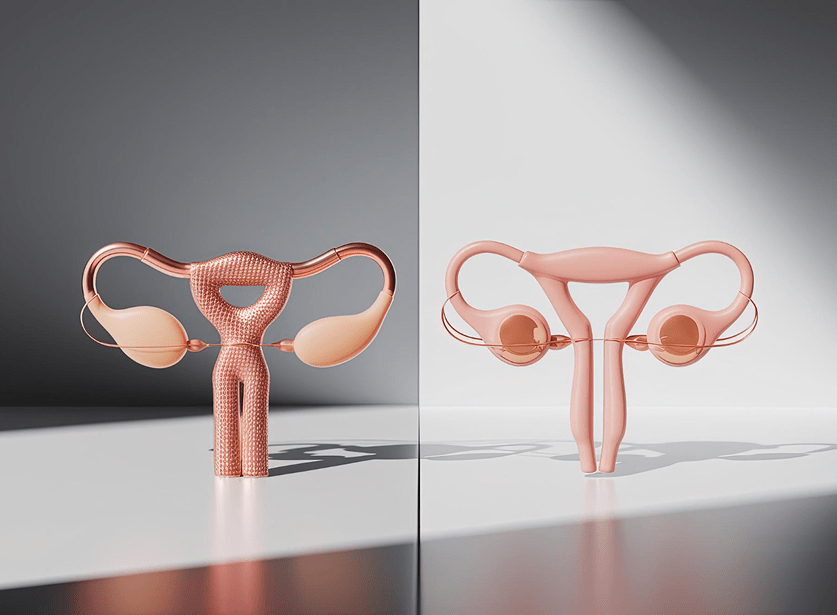
PCOD vs. PCOS: A Comprehensive Guide to Hormonal Health
Hormonal health plays an important role in a woman’s overall well-being. Although PCOD and PCOS are often used interchangeably, clear clinical differences exist. Understanding these differences helps with symptom control, fertility planning, and prevention of long-term complications.
Defining the Conditions
PCOD is regarded as a condition where the ovaries produce immature or partially mature eggs in large numbers. These follicles may remain in the ovaries and appear as small cysts. It is generally linked to lifestyle factors, stress, weight changes, and minor hormonal fluctuations.
PCOS is a metabolic and hormonal disorder involving a deeper endocrine imbalance. In PCOS, the ovaries may produce higher androgen levels, which can interfere with ovulation and lead to irregular periods, acne, facial hair growth, scalp hair thinning, and difficulty in conceiving.
The Pathophysiology of PCOD and PCOS
In PCOD, the normal cycle of egg maturation is disrupted. Usually, one egg is released every month, but when the hormonal environment changes, multiple eggs may remain underdeveloped. This can cause delayed or irregular periods.
In PCOS, the disruption is more systemic. Insulin resistance is frequently observed, causing the pancreas to produce more insulin. This can stimulate the ovaries to produce excess testosterone, leading to irregular periods, hirsutism, acne, and weight gain.
Comparative Symptoms and Identification
While there is an overlap in symptoms, the intensity can differ between PCOD and PCOS.
Menstrual Irregularities: Infrequent or prolonged periods are experienced in both conditions. However, in PCOS, menstruation may be absent for several months.
Physical Changes: Weight gain, especially around the abdomen, is commonly reported. Excessive hair growth on the face and body, known as hirsutism, and thinning of scalp hair are more frequently observed in PCOS due to androgen dominance.
Skin Health: Persistent acne and darkening of the skin, known as acanthosis nigricans, may be seen in women with insulin resistance, especially in PCOS.
Fertility Impacts: PCOD does not strictly prevent pregnancy, though conception may be delayed. PCOS is identified as a leading cause of female infertility because ovulation can be significantly impaired.
Diagnostic Procedures
A diagnosis is typically reached through clinical history, physical examination, blood tests, and ultrasound. Specialists review menstrual patterns, weight changes, acne, hair growth, and fertility concerns.
Blood tests may include LH, FSH, testosterone, thyroid function, prolactin, and sometimes AMH. Ultrasound is used to visualize the ovaries, while metabolic screening may be recommended to assess blood sugar and insulin-related concerns.
How Is PCOS Actually Diagnosed? The Rotterdam Criteria
Most gynecologists and endocrinologists diagnose PCOS using the Rotterdam criteria, an internationally recognized consensus standard. A diagnosis requires at least two of the following three features, after other conditions have been ruled out:
- Irregular or absent ovulation
- Clinical or biochemical signs of high androgen levels — for example, hirsutism, persistent acne, or elevated testosterone on a blood test
- Polycystic ovaries on ultrasound — the classic “string of pearls” appearance caused by multiple small follicles
PCOD does not have a formal international diagnostic criteria set in the same way. It is generally identified through menstrual history, hormone tests, and ultrasound findings without meeting the full Rotterdam threshold for PCOS.
Management and Treatment Strategies
Although these conditions cannot be completely “cured” in the traditional sense, they can be effectively managed through lifestyle changes, medical treatment, and follow-up.
Lifestyle Modifications
The foundation of management is built upon lifestyle changes. A balanced diet low in refined sugars and high in fiber is recommended to stabilize insulin levels. Regular physical activity supports weight management and metabolic health. Even modest weight reduction may help restore regular ovulation in many instances.
Pharmacological Interventions
When lifestyle changes are insufficient, medication may be prescribed. Hormonal contraceptives are frequently used to regulate the menstrual cycle and reduce androgen-related symptoms. For insulin resistance, metformin may be administered. If pregnancy is desired, ovulation-inducing medications may be used under strict medical supervision.
Holistic Approaches
Stress management techniques, such as yoga and meditation, can support hormonal balance. Adequate sleep, consistent routines, and healthy eating patterns also support reproductive health. These approaches work best when followed consistently along with medical advice.
Diet Tips: What to Eat and What to Limit
While no single diet “cures” PCOD or PCOS, certain food patterns are commonly recommended. Helpful foods include high-fiber vegetables, whole grains, legumes, lean protein, healthy fats, and low-glycemic-index fruits. Foods best limited include refined carbohydrates, added sugar, sugary drinks, processed foods, and fried foods. These are general guidelines, not a substitute for an individualized nutrition plan.
Long-Term Health Implications
If left unmanaged, PCOS can lead to long-term health complications. A higher risk of Type 2 diabetes, cardiovascular disease, hypertension, and metabolic syndrome may be associated with hormonal and insulin-related disturbances. Prolonged absence of menstruation can also increase the risk of endometrial hyperplasia. Regular monitoring is essential.
Seeking Specialized Care
For residents in Hyderabad, access to high-quality diagnostic and treatment facilities is important. Expert guidance from Rishitha Hospitals can help patients receive a tailored management plan based on symptoms, hormone profile, fertility goals, and long-term health needs.
Related Reading
Frequently Asked Questions (FAQs)
Is it possible to get pregnant with PCOD or PCOS?
Yes, pregnancy is achievable with both conditions. While PCOD may only require lifestyle adjustments to regulate ovulation, PCOS often needs specialized medical intervention and fertility support to facilitate conception.What is the primary difference between PCOD and PCOS?
PCOD is considered a common condition where ovaries release immature eggs due to lifestyle and hormonal factors. PCOS is a more severe metabolic disorder characterized by high androgen levels, insulin resistance, and systemic hormonal imbalance.What is the Rotterdam criteria, and do I need all three features to be diagnosed with PCOS?
No. The Rotterdam criteria require only two of three features: irregular ovulation, signs of high androgens, and polycystic ovaries on ultrasound. This is the diagnostic standard most gynecologists use internationally.Can PCOD turn into PCOS over time?
PCOD and PCOS are considered separate conditions rather than stages of the same disease, and PCOD does not automatically progress into PCOS. However, if underlying hormonal imbalance and insulin resistance are left unmanaged, symptoms can worsen over time.Can PCOS be managed without medication?
In some mild cases, symptoms are successfully managed through lifestyle changes, including a balanced diet, exercise, stress control, and weight management. However, medication may be required for severe hormonal disruption or when fertility is a primary concern.
Navigating PCOD and PCOS can feel overwhelming, but understanding the distinction is the first step toward better hormonal health. Whether you are managing mild symptoms or metabolic challenges, proactive care is key to preventing complications and supporting reproductive success.
For personalized treatment plans and expert guidance, consult Rishitha Hospitals, where specialized care meets compassionate support.
Medical Disclaimer : This content is for general informational purposes only and is not a substitute for professional medical advice, diagnosis, or treatment. PCOD and PCOS symptoms vary by individual and require proper clinical evaluation, hormone testing, and ultrasound diagnosis. Please consult a qualified gynecologist or endocrinologist before starting any treatment or lifestyle change. Never disregard professional medical advice based on information read here. For concerns, consult Rishitha Hospitals directly.