
Overview of Laparoscopic and Open Surgery
Laparoscopic surgery (keyhole surgery) uses 2 to 4 small incisions and a camera to perform operations with minimal tissue damage. Open surgery uses one larger incision for direct access to organs. Laparoscopic surgery generally offers faster recovery (1 to 2 weeks vs 4 to 6 weeks), less post-operative pain, lower infection risk, and smaller scars. However, open surgery remains necessary for complex emergencies, severe scarring from previous surgeries, or certain advanced conditions.
When a doctor recommends surgery, one of the first questions patients ask is: “Will it be keyhole surgery or open surgery?” The answer affects your recovery time, pain levels, hospital stay, and return to daily life. This guide explains the real differences between laparoscopic and open surgery, when each is appropriate, recovery timelines, risks, and what questions to ask your surgeon.
What is Laparoscopic Surgery?
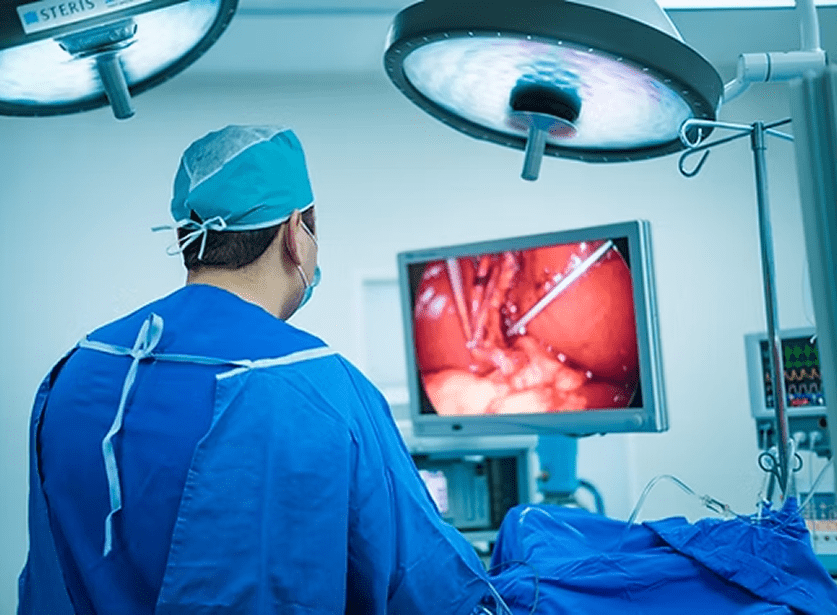
Laparoscopic surgery — also called keyhole surgery or minimally invasive surgery — is performed through 2 to 4 small incisions, each typically 0.5 to 1.5 cm in size. A thin camera (laparoscope) is inserted through one incision, transmitting high-definition, magnified images to a monitor in the operating room. Specialized instruments are passed through the remaining small openings to perform the procedure.
The abdomen is inflated with carbon dioxide gas to create working space for the surgeon to see and move instruments. Most laparoscopic procedures are performed under general anaesthesia.
Common procedures done laparoscopically include appendectomy, gallbladder removal, hernia repair, fibroid removal, ovarian cyst removal, and bariatric surgery.
What is Open Surgery?
Open surgery involves a single, larger incision — typically 6 to 12 cm or more depending on the procedure — through the skin and muscle layers. This gives the surgeon direct, hands-on access to the organs and a wide field of view.
Open surgery has been the standard approach for over a century and remains the preferred method for certain complex, emergency, or high-risk situations. While it involves a longer recovery, it also gives surgeons maximum control, flexibility, and visibility — which matters critically in complicated cases.
Laparoscopic vs Open Surgery — Full Comparison
Feature | Laparoscopic Surgery | Open Surgery |
Incision size | 0.5–1.5 cm (2–4 cuts) | 6–12 cm (single cut) |
Hospital stay | 1–2 days (often day care) | 3–7 days or more |
Recovery time | 1–2 weeks | 4–6 weeks |
Post-op pain | Mild to moderate | Moderate to severe |
Blood loss | Significantly less | More |
Infection risk | Lower | Higher |
Scarring | Minimal — small dots | Visible linear scar |
Hernia risk at incision site | Very low | Higher |
Surgeon’s field of view | Magnified camera view | Direct wide view |
Cost | Slightly higher upfront | Lower upfront, higher recovery cost |
Best used when | Most elective and planned surgeries | Emergencies, complex cases, prior adhesions |
Advantages of Laparoscopic Surgery
Faster Recovery
Most patients go home within 24 to 48 hours after laparoscopic surgery and return to light activities within 1 to 2 weeks. Open surgery typically requires 3 to 7 days in hospital and 4 to 6 weeks of recovery at home.
Less Post-Operative Pain
Because large muscle groups are not cut through, the body’s inflammatory response is significantly reduced. Patients require less pain medication and recover more comfortably.
Lower Infection Risk
Smaller incisions mean less exposure of internal organs to the external environment. The risk of wound infection and post-operative complications is measurably lower compared to open procedures.
Minimal Scarring
Laparoscopic incisions heal as small dots that fade significantly over time. The risk of developing an incisional hernia — a known long-term complication of large open surgery wounds — is also substantially lower.
Magnified Precision
The laparoscope provides a magnified, high-definition view of internal structures — often better than the naked eye in open surgery. This allows for more precise handling of delicate tissue and blood vessels.
When is Open Surgery Still Necessary?
Laparoscopic surgery is not always the right choice. Open surgery remains the safer or only option in the following situations:
- Emergency trauma — internal bleeding, bowel perforation, or abdominal injuries requiring immediate wide access
- Severe adhesions — dense scar tissue from previous surgeries that makes laparoscopic navigation unsafe
- Very large tumors or masses — where a wider surgical field is needed for complete removal
- Conversion during laparoscopy — if unexpected complications arise during a laparoscopic procedure, the surgeon may convert to open surgery for safety
- Certain complex cancer surgeries — where extensive lymph node removal or reconstruction requires open access
- Morbid obesity with specific anatomical challenges — in some cases laparoscopic instruments cannot adequately reach the surgical site
The decision between laparoscopic and open surgery is always made by the surgeon based on the individual patient’s condition, anatomy, and the nature of the procedure — not by patient preference alone.
Recovery Timeline Comparison
After Laparoscopic Surgery
- Day 1–2: Rest at home, light walking encouraged
- Day 3–5: Mild discomfort, can manage with oral painkillers
- Week 1–2: Resume light activities, desk work, short walks
- Week 2–4: Most patients return to full normal activity
- 6 weeks: Full clearance for strenuous exercise and heavy lifting
After Open Surgery
- Days 1–3: Hospital stay for monitoring and pain management
- Week 1–2: Rest at home, very limited movement
- Week 2–4: Gradual increase in activity, wound care ongoing
- Week 4–6: Return to light work and daily activities
- 6–8 weeks: Full recovery and return to strenuous activity
Robotic-Assisted Laparoscopic Surgery
An advancing development in minimally invasive surgery is robotic-assisted laparoscopy. The surgeon controls robotic instruments from a console, gaining a greater range of motion than the human wrist allows and eliminating the micro-tremors of manual surgery. Robotic systems are increasingly used for complex urological, gynaecological, and oncological procedures, offering even greater precision than standard laparoscopy.
Frequently Asked Questions (FAQs)
1. Is laparoscopic surgery safer than open surgery?
For most elective procedures, laparoscopic surgery has a lower risk of infection, less blood loss, and faster recovery compared to open surgery. However, “safer” depends entirely on the individual case. In emergencies or complex situations, open surgery may be the safer choice because it gives the surgeon greater control and flexibility.
2. How long does laparoscopic surgery take?
Most routine laparoscopic procedures — appendectomy, gallbladder removal, hernia repair — take between 30 and 90 minutes. More complex laparoscopic procedures such as bowel resections or cancer surgeries may take 2 to 4 hours. The duration depends on the type of procedure and any complications encountered.
3. Will I be put to sleep for laparoscopic surgery?
Yes. General anaesthesia is standard for laparoscopic surgery. This keeps you completely still and pain-free, allows the abdominal muscles to relax fully, and permits the abdomen to be safely inflated with carbon dioxide for the surgeon’s visibility.
4. Can laparoscopic surgery be done for cancer?
Yes, laparoscopic surgery is used for several types of cancer including colorectal cancer, stomach cancer, liver tumors, and gynaecological cancers. For early-stage cancers, outcomes with laparoscopic resection are comparable to open surgery. Your surgical oncologist will determine the appropriate approach based on tumor size, location, and stage.
5. What happens if laparoscopic surgery cannot be completed?
If the surgeon encounters unexpected complications — excessive bleeding, dense adhesions, or anatomy that makes laparoscopic access unsafe — the procedure is converted to open surgery. This decision is made entirely for patient safety. Conversion rates vary by procedure but are generally under 5% for routine laparoscopic operations.
Final Thoughts
Laparoscopic surgery has transformed surgical care — offering faster recovery, less pain, and lower complication rates for a wide range of procedures. For most planned surgeries today, it is the first-choice approach. Open surgery remains an essential technique for complex, emergency, or high-risk cases where direct access and maximum surgical control are required.
The right choice depends on your specific condition, anatomy, and surgical history. If you have been advised to undergo surgery and want to understand your options, speak with our general surgery team at Rishitha Hospitals for a clear, personalised assessment.
Medical Disclaimer : This content is for general informational purposes only and is not a substitute for professional medical advice, diagnosis, or treatment. The choice between laparoscopic and open surgery depends on individual medical conditions and must be determined by a qualified surgeon after proper evaluation. Never disregard professional medical advice or delay seeking treatment based on information read here. For specific concerns about your surgical options, please consult Rishitha Hospitals directly.