
Heat Rash and Skin Problems in Kids During Summer
As summer temperatures rise across Hyderabad and the surrounding regions, a significant increase in heat-related skin problems is observed among children. Young skin is more sensitive than adult skin, and when it is subjected to excessive heat and humidity, conditions such as heat rash, sunburn, and fungal infections are commonly developed. Early identification and timely care are recommended by pediatricians to prevent these conditions from becoming severe.
What Is Heat Rash in Children?
Heat rash, which is also referred to as prickly heat or miliaria, is a skin condition in which sweat ducts are blocked beneath the skin’s surface. When sweat is unable to be released normally, small red bumps or blisters are formed on the skin. This condition is most frequently seen in children because their sweat glands are not yet fully matured.
Heat rash is typically observed in areas where skin folds are present — such as the neck, armpits, groin, and inner elbows — as these areas tend to trap more heat and moisture.
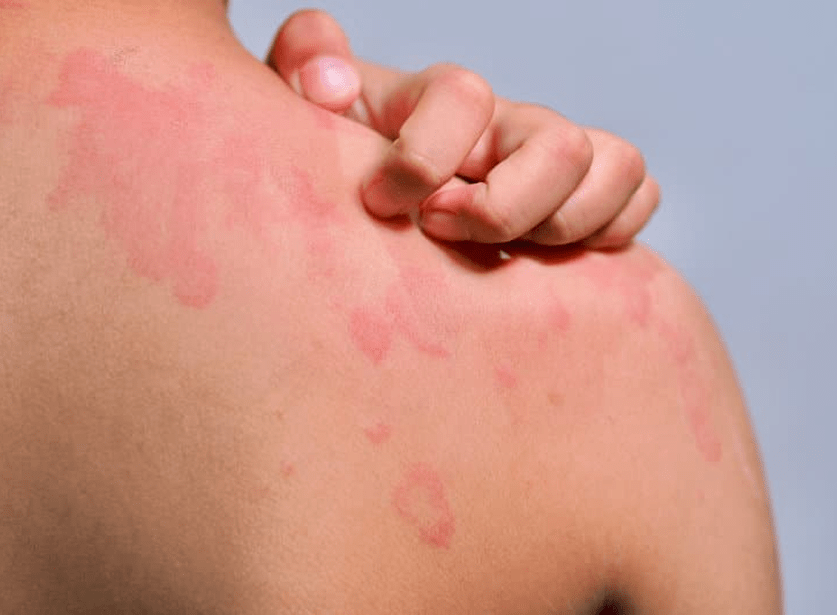
Common Types of Heat Rash Seen in Kids
Type | Appearance | Depth of Blockage | Common In |
Miliaria Crystallina | Tiny, clear, fluid-filled blisters | Superficial (epidermis) | Newborns & infants |
Miliaria Rubra | Red bumps, itchy & prickly feeling | Deeper epidermis | Older infants & children |
Miliaria Pustulosa | Bumps filled with pus, inflamed | Epidermis (infected) | Any age group |
Miliaria Profunda | Flesh-coloured, firm bumps | Dermis (deep layer) | Older children, rare |
Other Common Skin Problems Seen in Kids During Summer
Apart from heat rash, several other skin problems are commonly diagnosed in children when outdoor temperatures are elevated. Each condition is caused by different triggers, though most are worsened by heat, sweat, and prolonged sun exposure.
1. Sunburn
Sunburn is caused when a child’s skin is exposed to ultraviolet (UV) rays without adequate protection. The affected skin becomes red, warm to the touch, and painful. In more severe cases, blisters are also formed. It is advised by dermatologists that children be kept away from direct sunlight between 10 AM and 4 PM, as UV intensity is at its highest during these hours.
2. Fungal Skin Infections (Tinea)
Ringworm, athlete’s foot, and jock itch — all of which are caused by fungal organisms — are frequently seen in children during summer. These infections are spread through direct contact or through contaminated surfaces such as swimming pools, shared towels, and changing rooms. Circular, scaly patches on the skin are typically observed when a fungal infection is present.
3. Contact Dermatitis
Contact dermatitis is triggered when the skin is exposed to an allergen or irritant. In summer, this condition is often caused by sunscreen ingredients, insect repellents, or plants that come in contact with sweat-covered skin. Redness, itching, and a rash that mirrors the area of contact are the primary signs by which this condition is identified.
4. Impetigo
Impetigo is a highly contagious bacterial skin infection that is primarily caused by Staphylococcus aureus or Streptococcus pyogenes. It is more commonly seen in summer months due to the combination of heat, humidity, and frequent skin abrasions. Honey-coloured crusted sores are observed, usually around the nose and mouth area of the affected child.
5. Insect Bite Reactions
During warmer months, children are often exposed to mosquitoes, bees, fire ants, and other insects. The skin reactions that are produced can range from small red bumps to significant swelling. In children with allergic tendencies, more pronounced reactions may be seen, and medical attention may be needed urgently.
Important Note for Parents: When a skin rash is accompanied by fever, difficulty in breathing, spreading redness, or extreme swelling, it should not be managed at home. Immediate consultation with a paediatric specialist is strongly recommended in such cases.
Symptoms That Are Observed in Children with Heat Rash
The symptoms that are most commonly reported by parents and observed by doctors in heat rash cases include:
- Clusters of small red or pink bumps on the skin
- A tingling or prickling sensation in the affected area
- Mild to moderate itching, especially after physical activity
- Skin that is tender or irritated when touched
- In more severe cases, pus-filled bumps may also be observed
How Are These Conditions Treated?
Treatment approaches are determined by the type and severity of the skin problem. In most cases, the following management steps are recommended by healthcare professionals:
Condition | Recommended Treatment | When to See a Doctor |
Heat Rash | Cooling the skin, loose cotton clothing, calamine lotion | If rash persists beyond 3–4 days or becomes infected |
Sunburn | Cool compresses, aloe vera gel, adequate hydration | If blisters are formed or fever develops |
Fungal Infection | Antifungal cream prescribed by a doctor | If no improvement is seen within one week |
Impetigo | Antibiotic ointment or oral antibiotics (prescribed) | Immediately — it is contagious and spreads fast |
Contact Dermatitis | Identify & remove trigger; topical steroid if prescribed | If rash is widespread or does not resolve |
Insect Bites | Antihistamine, cold compress, antiseptic cream | Immediately if breathing difficulty or swelling occurs |
Prevention: How Skin Problems in Kids Can Be Avoided This Summer
It is widely accepted by paediatric dermatologists that the most effective approach to summer skin care in children is prevention. The following measures are recommended to reduce the risk of skin problems:
- Breathable clothing: Light, loose, and cotton-based clothes should be worn by children to reduce sweat accumulation.
- Frequent bathing: Lukewarm baths are recommended to be given twice daily, which helps remove sweat and bacteria from the skin.
- Hydration: Water and fluids should be offered to children regularly to prevent overheating from within.
- Sunscreen application: A broad-spectrum SPF 30+ sunscreen should be applied 20 minutes before outdoor activity and reapplied every two hours.
- Avoiding peak sun hours: Children should be kept indoors between 10 AM and 4 PM when UV rays are most intense.
- Keeping skin folds dry: Areas like the neck, underarms, and groin should be gently dried after bathing to prevent moisture-related rashes.
- Avoiding shared personal items: Towels, combs, and clothing should not be shared to reduce the risk of fungal and bacterial infections.
When Should Professional Medical Advice Be Sought?
While many mild summer skin conditions are managed at home with basic care, certain warning signs should never be ignored. A paediatric consultation is strongly recommended when:
- The rash is accompanied by a high-grade fever
- The affected area is rapidly expanding
- The child appears lethargic, unusually irritable, or is not eating
- Pus or increased warmth is noted at the rash site
- The skin condition does not improve within 3 to 5 days of home management
Expert Paediatric Skin Care Is Available in Hyderabad
For families seeking specialised medical attention for children’s skin conditions during summer, Rishitha Hospital in Bandlaguda offers comprehensive paediatric care backed by experienced specialists. A multidisciplinary team of doctors is available to diagnose and treat a wide range of summer skin conditions in children, ensuring personalised and evidence-based treatment plans are provided to every young patient.
Parents looking for the Best Multi Specialty Hospital in Bandlaguda will find that Rishitha Hospital is equipped with advanced diagnostic tools, a dedicated paediatric unit, and a team of child health specialists who are experienced in managing seasonal health problems in children of all age groups. Timely appointments and follow-up care are also made available for ongoing cases.
Conclusion
Summer skin problems in children, though common, should not be taken lightly. Heat rash, sunburn, fungal infections, impetigo, and contact dermatitis are all conditions that can escalate quickly if they are not addressed in a timely manner. Through a combination of preventive measures and early medical consultation, the discomfort caused by these conditions can be significantly minimised.
Parents are encouraged to observe their child’s skin regularly during summer months, keep the skin clean and cool, and seek professional guidance at the earliest sign of an unusual skin problem.
Need Expert Paediatric Advice This Summer?
Rishitha Hospital, Bandlaguda, Hyderabad — Comprehensive paediatric & multi-specialty care available for children of all age groups. Early consultation is always better than delayed treatment. Protect your child’s skin this summer with the right medical support.
FAQs
- What is heat rash and why does it happen in children? Heat rash, also called prickly heat or miliaria, is a skin condition in which sweat ducts get blocked beneath the skin’s surface, forming small red bumps or blisters, and it’s more common in children because their sweat glands aren’t yet fully matured.
- Where on a child’s body does heat rash usually appear? Heat rash typically shows up in skin folds like the neck, armpits, groin, and inner elbows, since these areas trap more heat and moisture.
- What other summer skin problems are common in kids besides heat rash? Sunburn, fungal infections like ringworm, contact dermatitis, impetigo, and insect bite reactions are also frequently seen in children during summer.
- How can parents help prevent summer skin problems in children? Breathable cotton clothing, frequent lukewarm baths, good hydration, SPF 30+ sunscreen, avoiding peak sun hours, and keeping skin folds dry are the key preventive steps.
- When should a child’s skin rash be checked by a doctor? A paediatric consultation is recommended if the rash comes with high fever, is rapidly spreading, the child seems lethargic or isn’t eating, pus or warmth appears at the site, or the rash doesn’t improve within 3–5 days of home care.
Medical Disclaimer: This article is for general informational purposes only and does not constitute medical advice, diagnosis, or treatment. Children’s skin conditions can range from mild heat rash to infections requiring prescription treatment, and are not reliably distinguishable without a proper clinical examination. Please consult a qualified paediatrician at Rishitha Hospitals for personalized assessment, and seek prompt medical attention if your child develops fever, a rapidly spreading rash, lethargy, or breathing difficulty.