
Physiotherapy is essential for complete recovery because it restores mobility, reduces pain, and prevents re-injury through structured, evidence-based rehabilitation rather than rest alone. It’s used after surgery, injury, or in chronic pain conditions, combining manual therapy, targeted exercises, and modalities like ultrasound or TENS to help patients recover faster and more completely than medication alone.
What Is Physiotherapy and Why Is It Considered Essential?
Physiotherapy is a healthcare discipline through which the human body’s movement, function, and quality of life are restored following injury, illness, or disability. It is practised by trained professionals who are equipped with clinical knowledge and hands-on techniques to address musculoskeletal, neurological, and cardiopulmonary conditions.
Recovery is not considered complete until mobility is regained, pain is reduced, and the risk of re-injury is minimised. All three of these outcomes are addressed comprehensively through physiotherapy. It is, therefore, not simply an optional add-on to a treatment plan — it is the foundation upon which full recovery is built.
According to global health evidence, patients who are enrolled in structured physiotherapy programmes are found to recover up to 40% faster than those who rely solely on medication or passive rest.
Heat rash is typically observed in areas where skin folds are present — such as the neck, armpits, groin, and inner elbows — as these areas tend to trap more heat and moisture.
How the Body Is Healed Through Physiotherapy
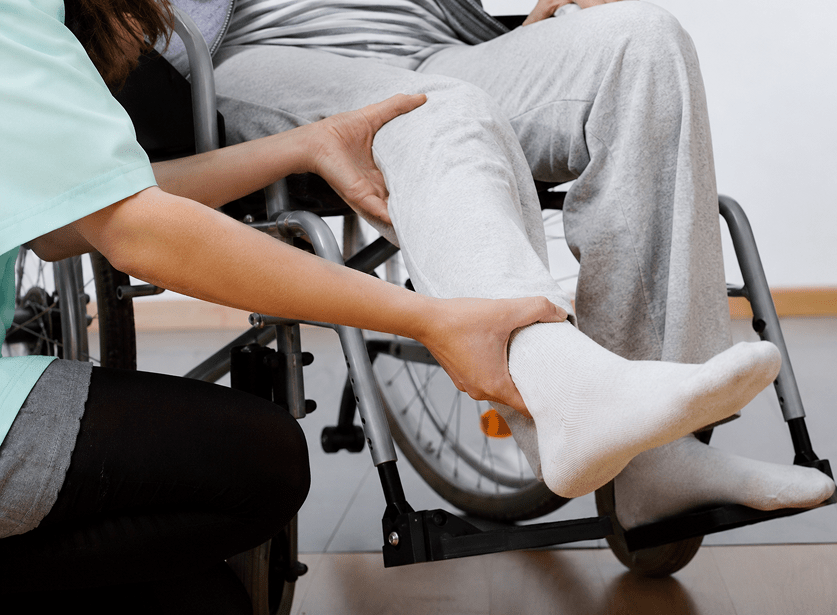
The healing process is guided through multiple physiotherapy modalities, each of which is selected based on the patient’s specific condition. The human body responds differently to each form of intervention, and skilled physiotherapists ensure that the most appropriate combination of techniques is applied.
Manual Therapy
In manual therapy, the affected joints and soft tissues are mobilised and manipulated by a physiotherapist’s hands. Stiffness is reduced, circulation is improved, and pain is alleviated through this approach. It is commonly used in cases where movement has been restricted by injury or post-surgical tightness.
Therapeutic Exercises
Customised exercise programmes are prescribed through which strength, flexibility, and endurance are gradually rebuilt. Each movement is carefully selected so that the affected area is progressively loaded without being overstressed. Over time, normal function is restored through consistent practice of these exercises.
Electrotherapy Modalities
Devices such as ultrasound machines, TENS units, and interferential current devices are used through which deep tissue healing is stimulated. Inflammation is reduced, nerve pain is managed, and recovery timelines are shortened through these technologies when they are applied by experienced professionals.
Physiotherapy Techniques at a Glance
The following table summarises the primary physiotherapy techniques through which different conditions are effectively managed:
Technique | Conditions Treated | Key Benefit | Duration per Session |
Manual Therapy | Joint stiffness, back pain, post-surgical tightness | Mobility is restored and pain is reduced | 20–40 minutes |
Therapeutic Exercise | Muscle weakness, sports injuries, post-fracture | Strength and endurance are rebuilt progressively | 30–60 minutes |
Ultrasound Therapy | Tendinitis, bursitis, soft tissue injuries | Deep tissue healing is accelerated | 10–15 minutes |
TENS / IFT | Chronic pain, nerve pain, arthritis | Pain signals are interrupted and reduced | 15–30 minutes |
Hydrotherapy | Joint replacement, neurological conditions | Movement is enabled with reduced joint load | 30–45 minutes |
Dry Needling | Myofascial pain, trigger points, neck pain | Muscle tension is released at the source | 15–20 minutes |
Conditions for Which Physiotherapy Is Recommended
A wide spectrum of medical conditions is addressed through physiotherapy. Recovery is not limited to sports injuries alone — the scope of physiotherapy is far broader, and patients from all walks of life are benefited by it.
Orthopaedic conditions such as fractures, ligament tears, and joint replacements are among the most commonly treated. Neurological conditions like stroke, Parkinson’s disease, and spinal cord injuries are also effectively managed through specialised neuro-physiotherapy programmes. Cardiopulmonary conditions, including post-cardiac surgery recovery and chronic obstructive pulmonary disease (COPD), are addressed through breathing exercises and aerobic conditioning protocols.
Paediatric physiotherapy is offered for developmental delays and musculoskeletal abnormalities in children, while geriatric physiotherapy is designed to improve balance, prevent falls, and maintain independence in elderly patients.
Excellence in Healthcare
World-class physiotherapy services, combined with cutting-edge diagnostic facilities, are offered at the Best Physicotherapy Hospital in Bandlaguda, where patients across all age groups are cared for by experienced multidisciplinary teams committed to achieving complete and lasting recovery.
The Role of Physiotherapy After Surgery
Post-operative recovery is significantly accelerated when physiotherapy is initiated at the right time. Following procedures such as knee replacement, hip replacement, rotator cuff repair, or spinal surgeries, the body must be guided back to functionality in a safe and structured manner.
Without rehabilitation, scar tissue is allowed to form in ways that limit movement, muscles are weakened through disuse, and the risk of complications such as deep vein thrombosis (DVT) is increased. Through early mobilisation and progressive exercise protocols, all of these outcomes are prevented. The patient’s confidence is also rebuilt through gradual achievement of physical milestones.
Physiotherapy in Chronic Pain Management
Chronic pain conditions such as lower back pain, cervical spondylosis, fibromyalgia, and osteoarthritis are managed over the long term through physiotherapy. Unlike medication, which provides temporary relief, physiotherapy addresses the root causes through which pain is generated and perpetuated.
Postural corrections are made, muscle imbalances are addressed, and ergonomic guidance is provided to patients whose pain is aggravated by their daily activities or occupational demands. Through consistent physiotherapy, a significant reduction in dependency on pain medication is achieved, and quality of life is meaningfully improved.
Preventive Physiotherapy — Recovery Before Injury Occurs
Physiotherapy is not only sought after an injury has occurred — it is also pursued as a preventive measure. Athletes, working professionals, and older adults are all guided through movement screening, strengthening programmes, and flexibility protocols through which their risk of future injury is significantly reduced.
Biomechanical assessments are conducted by physiotherapists through which weaknesses and movement dysfunctions are identified before they develop into injuries. This proactive approach to healthcare is increasingly being adopted in corporate wellness programmes, sports academies, and rehabilitation centres worldwide.
Trusted Rehabilitation Centre
Comprehensive physiotherapy and rehabilitation services are delivered at Rishitha Hospital, where every patient’s recovery journey is supported by dedicated specialists, personalised treatment plans, and a compassionate care environment designed to restore full health and function.
Why Physiotherapy Is Preferred Over Medication Alone
In many clinical scenarios, physiotherapy is considered superior to medication-only management because it does not carry the risks associated with long-term drug use. Side effects such as gastric complications, liver stress, and dependency are avoided when physiotherapy is used as the primary treatment or as a complement to pharmacological care.
Moreover, the results achieved through physiotherapy are longer-lasting. The body is trained to function correctly, and the patient is empowered with self-management strategies through which recurring episodes of pain or dysfunction are prevented. This patient-centred, active approach to healing is what sets physiotherapy apart from passive treatment methods.
The Importance of Choosing the Right Physiotherapy Provider
Recovery outcomes are strongly influenced by the quality of physiotherapy that is received. Qualified physiotherapists must be engaged, adequate treatment time must be allocated, and evidence-based protocols must be followed. Facilities where physiotherapy is integrated with specialist medical care tend to produce better outcomes, as the patient is managed holistically.
When physiotherapy is delivered alongside orthopaedic, neurological, and general surgery expertise, recovery is not only faster — it is also more complete. Patients are discharged with the confidence that their bodies have been thoroughly rehabilitated and that they are equipped to maintain their recovery independently.
Complete recovery is achieved not when pain disappears, but when the body is restored to full strength, mobility, and function — and physiotherapy is the most reliable pathway through which this destination is reached.
Conclusion
Physiotherapy is not merely a supportive add-on to medical treatment — it is the pillar through which complete recovery is made possible. Whether rehabilitation is needed after surgery, injury, or a chronic condition, physiotherapy ensures that healing is not left incomplete. Through personalised treatment plans, proven techniques, and skilled clinical guidance, the human body is restored to its fullest potential. Every step of the recovery journey is made safer, faster, and more sustainable when physiotherapy is embraced as an integral part of care.
FAQs
- How is physiotherapy different from just resting after an injury or surgery? Rest alone doesn’t rebuild strength or mobility, while structured physiotherapy programmes help patients recover up to 40% faster than relying solely on medication or passive rest.
- What conditions can physiotherapy help treat? It’s used for a broad range of issues including orthopedic conditions like fractures and joint replacements, neurological conditions like stroke and Parkinson’s, cardiopulmonary recovery, and pediatric or geriatric care.
- Why is physiotherapy important after surgery specifically? Without it, scar tissue can restrict movement, muscles weaken from disuse, and the risk of complications like DVT increases, so early guided mobilization helps prevent these issues.
- Can physiotherapy help with chronic pain instead of relying on medication? Yes, it targets root causes like postural issues and muscle imbalances rather than just masking symptoms, often reducing long-term dependency on pain medication.
- Is physiotherapy only for treating injuries, or can it prevent them too? It’s also used preventively — through movement screening and strengthening programs — to identify weaknesses before they turn into injuries, especially for athletes and older adults.
Medical Disclaimer: This article is for general informational purposes only and does not constitute medical advice, diagnosis, or treatment. Physiotherapy needs vary widely depending on the specific injury, surgery, or chronic condition, and an appropriate treatment plan requires assessment by a qualified physiotherapist or physician. Please consult a specialist at Rishitha Hospitals to determine the right rehabilitation approach for your condition, and seek prompt medical attention for any new or worsening symptoms during recovery.