
Monsoon-related illnesses fall into six groups: mosquito-borne (dengue, malaria, chikungunya), waterborne/foodborne (typhoid, cholera, hepatitis A), leptospirosis (from contact with contaminated flood water or soil), fungal and skin infections, respiratory illness (colds, flu, and asthma/bronchitis flare-ups), and eye infections (conjunctivitis). Most are preventable through mosquito control, safe food and water practices, dry skin and footwear, and prompt care for fever lasting beyond 2–3 days. Children, older adults, pregnant women, and anyone with a chronic condition need extra precaution and should see a doctor sooner rather than later.
Why the Rainy Season Makes You More Vulnerable
Stagnant water, rising humidity, and overworked drainage systems don’t just make streets messy — they change the biology around you. Standing water breeds mosquitoes. Damp skin and shoes breed fungus. Contaminated runoff carries bacteria and viruses into drinking water. And the sudden swing between hot days and cool, wet evenings puts stress on your respiratory system and immune response. None of this means monsoon has to mean illness — it means knowing which category of risk you’re dealing with, because prevention looks different for each one.
The Six Categories at a Glance
|
Category |
Common Illnesses |
Main Trigger |
|
Mosquito-borne |
Dengue, malaria, chikungunya |
Stagnant water breeding sites |
|
Waterborne/foodborne |
Typhoid, cholera, hepatitis A, diarrhoea |
Contaminated water or food |
|
Water-contact |
Leptospirosis |
Wading through flood water or wet soil |
|
Fungal/skin |
Athlete’s foot, ringworm, candidiasis |
Prolonged dampness |
|
Respiratory |
Cold, flu, asthma/bronchitis flare-ups |
Temperature swings, humidity |
|
Eye infections |
Conjunctivitis (“madras eye”) |
Contact with contaminated water or surfaces |
Mosquito-Borne Diseases: Dengue, Malaria, and Chikungunya
All three spread through mosquitoes that breed in the same stagnant water your monsoon drainage tends to collect — flowerpots, coolers, old tyres, blocked gutters. Dengue and chikungunya come from the Aedes mosquito, which bites mainly during the day, so covering up only at night isn’t enough. Malaria comes from the Anopheles mosquito, active after dusk, and follows a distinctive cycle of chills, fever, and sweating roughly every 48–72 hours. Chikungunya’s hallmark is joint pain severe enough to linger for weeks after the fever breaks.
Prevention that actually works:
- Empty, scrub, and cover anything that can hold water for more than a day
- Use mosquito nets and repellents both indoors and out — reapply repellent after sweating
- Fit mesh screens on windows and doors rather than relying on sprays alone
- Wear full-sleeved clothing at dawn and dusk
If you already have a fever and want a detailed breakdown of how dengue, viral fever, and typhoid actually differ symptom by symptom, our dengue vs. viral fever vs. typhoid guide walks through the self-triage in depth — this section stays high-level on purpose to avoid repeating it.
Waterborne and Foodborne Diseases: Typhoid, Cholera, and Hepatitis A
These spread through what you eat and drink, not through bites. Typhoid causes a fever that can persist for weeks if untreated, alongside stomach pain and fatigue. Cholera and contaminated-water diarrhoea act faster and dehydrate the body quickly. Hepatitis A spreads the same way and can cause jaundice, nausea, and prolonged tiredness.
Prevention that actually works:
- Drink only boiled, filtered, or sealed bottled water
- Skip street food and raw/undercooked items entirely during peak monsoon weeks
- Wash fruits and vegetables in clean water before eating
- Wash hands with soap before meals and after using the toilet — this single habit blocks more transmission than any other single step
Leptospirosis: The Monsoon Disease Most People Never Hear About
This one deserves its own section because almost no one talks about it, yet it’s one of the more serious monsoon risks in flood-prone areas. Leptospirosis is a bacterial infection that spreads through contact with soil or water contaminated by animal urine — something that becomes far more likely when streets flood. It enters through cuts, scrapes, or even intact skin exposed for long periods, and through the eyes, nose, or mouth.
Early symptoms mimic a routine viral fever — headache, muscle pain, chills — which is exactly why it gets missed until it progresses to more serious complications affecting the kidneys or liver.
Prevention that actually works:
- Avoid wading through flood water, especially with open cuts or wounds
- Wear waterproof boots if you must walk through standing water
- Wash and dry your feet and legs thoroughly afterward
- See a doctor if fever follows any flood-water exposure, even if it feels like “just a viral”
Fungal and Skin Infections
Constantly damp skin and shoes are an open invitation for fungal growth. Athlete’s foot, ringworm, and candidiasis all thrive in exactly the conditions monsoon creates — between toes, in skin folds, anywhere moisture sits against skin for hours.
Prevention that actually works:
- Dry your feet completely, especially between toes, after every time they get wet
- Keep a spare pair of shoes and socks to change into during the day
- Use antifungal powder in shoes and socks as a preventive habit, not just a treatment
- Avoid walking barefoot on wet communal surfaces
For a complete guide on recognising, treating, and preventing foot-specific fungal infections, see our detailed post here
Respiratory Illness: Colds, Flu, and Asthma or Bronchitis Flare-Ups
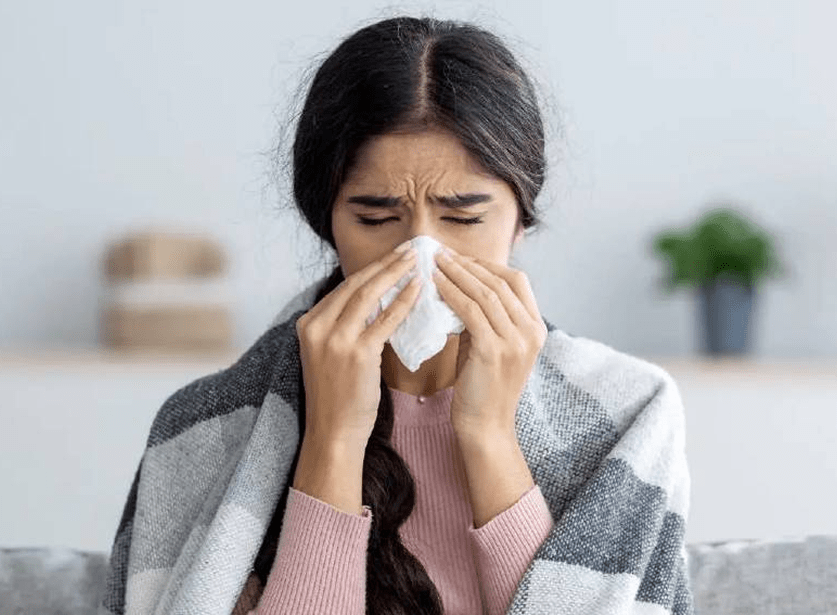
The constant swing between warm days and cool, damp evenings stresses your respiratory system more than either season alone. Colds and flu spread faster in humid, crowded indoor spaces. Less discussed: existing conditions like asthma and bronchitis genuinely worsen during monsoon, as damp air and mould exposure irritate already-sensitive airways.
Prevention that actually works:
- Keep a dry change of clothes available if you’re caught in rain
- Ventilate damp rooms and bathrooms to prevent mould buildup
- If you have asthma or bronchitis, keep rescue medication accessible and avoid unnecessary exposure to damp, poorly ventilated spaces
- Don’t dismiss a cough that lingers past 10 days — get it checked
Eye Infections: Conjunctivitis
Commonly called “madras eye” or “monsoon eye,” conjunctivitis spreads through contact with contaminated water, shared towels, or touching the eyes with unwashed hands. It causes redness, itching, discharge, and light sensitivity, and spreads quickly in schools and offices.
Prevention that actually works:
- Avoid touching or rubbing your eyes with unwashed hands
- Don’t share towels, pillowcases, or eye makeup during an outbreak
- Wash hands frequently, particularly after being out in the rain
- If one eye is affected, take extra care not to spread it to the other
Who Needs to Be Extra Careful This Monsoon
Some groups face higher complication risk across nearly every category above:
- Children — developing immunity, higher exposure through play and school
- Elderly adults — slower recovery, higher risk of complications from dengue, respiratory illness, and leptospirosis
- Pregnant women — several monsoon infections carry added risk during pregnancy and need prompt medical attention
- People with diabetes, asthma, or chronic illness — higher susceptibility to infection and slower healing, especially for skin and fungal issues
When to See a Doctor Immediately
|
Warning Sign |
Possible Concern |
|
Fever lasting more than 2–3 days |
Dengue, typhoid, malaria — needs blood testing, not guesswork |
|
Fever after wading through flood water |
Possible leptospirosis |
|
Severe abdominal pain, persistent vomiting |
Cholera, hepatitis A, severe dehydration |
|
Difficulty breathing or worsening cough |
Respiratory infection or asthma flare-up needing urgent care |
|
Eye pain, vision changes, or swelling |
Beyond simple conjunctivitis — needs same-day evaluation |
Self-diagnosis is the most common mistake during monsoon — many of these illnesses look identical for the first day or two and only blood tests can tell them apart.
Why a Multispeciality Hospital Matters During Monsoon
Monsoon illness rarely respects specialty boundaries — a single season can bring you through general medicine, dermatology, pediatrics, ENT, and ophthalmology in the space of a few weeks. That’s the practical case for choosing a multispeciality hospital over a single-specialist clinic: one diagnostic team, one record, no re-explaining your history at three different clinics.
Rishitha Hospitals is a multispeciality hospital in Bandlaguda, Hyderabad, with general medicine, pediatrics, dermatology, ENT, and diagnostic services under one roof — built for exactly this kind of season, when the same household might be dealing with a child’s fever, an adult’s fungal infection, and a persistent cough all at once.
Frequently Asked Questions
- How long do monsoon diseases like dengue or typhoid usually last?
Most resolve within a week to ten days with proper care, though typhoid can persist longer if treatment is delayed. Recovery time depends heavily on how early it’s diagnosed.
- Can I prevent leptospirosis if I have to walk through flood water?
You can’t eliminate the risk entirely, but waterproof footwear, avoiding water contact with open cuts, and washing thoroughly afterward significantly lower it. If fever follows exposure, don’t wait to get checked.
- Is it safe to eat outside food at all during monsoon?
Freshly cooked, hot food from a clean source is generally lower risk than raw, cold, or pre-cut items — especially anything that’s been sitting out or exposed to flies.
- Are monsoon diseases more dangerous for children than adults?
Children often show symptoms faster but can also dehydrate or decline more quickly, particularly with waterborne illness. Prompt attention matters more than for a similar case in a healthy adult.
- How do I tell a monsoon fungal infection apart from a regular skin rash?
Fungal infections tend to have defined edges, persistent itching, and often start between toes or in skin folds. A rash that isn’t improving with basic hygiene within a few days is worth a dermatology consult rather than continued home treatment.
Stay Protected This Monsoon — Talk to Rishitha Hospitals
If fever, persistent cough, or an unusual rash shows up this monsoon, don’t wait it out. As one of the general hospitals in Bandlaguda offering diagnostics and specialist care under one roof, Rishitha Hospitals is here for exactly these seasonal concerns.
📞 Call us: 040 2970 8086 or 040 3502 6746 🏥 Looking for the best hospitals in Bandlaguda for monsoon-related illness? Book a consultation through our contact page today
Medical Disclaimer: This article is for general informational purposes only and is not a substitute for professional medical advice, diagnosis, or treatment. Always consult a qualified doctor for any health concern, especially persistent fever, breathing difficulty, or symptoms following flood-water exposure.
Author Bio: This article is brought to you by the content team at Rishitha Hospitals, a multispeciality hospital in Bandlaguda, Hyderabad, dedicated to accessible, accurate health information for the community we serve.