
Introduction
Determining whether a scratchy throat or a rising fever is caused by a virus or a bacterium is more than just a medical curiosity—it is a critical distinction that dictates your recovery path. In the bustling suburbs of Hyderabad, where seasonal changes often bring a surge in health concerns, finding the best hospital in Bandlaguda becomes a priority for families seeking clarity and care. At Rishitha Hospitals, we combine clinical expertise with advanced diagnostics to ensure you receive the right treatment, not just a “one-size-fits-all” prescription.
The Microscopic Divide: Understanding Your Unseen Visitors
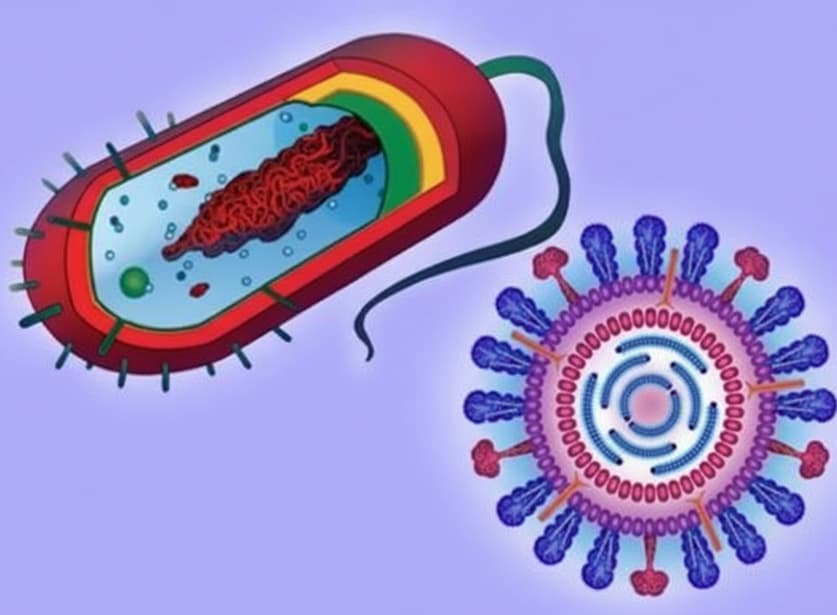
To the naked eye, the symptoms of a viral cough and a bacterial throat infection look nearly identical. However, at a biological level, these two invaders are worlds apart. Bacteria are complex, single-celled organisms that can survive on their own—in the soil, in water, or inside your body. While many bacteria are beneficial (like those in your gut), “pathogenic” bacteria cause illnesses like strep throat or urinary tract infections.
Viruses, on the other hand, are much smaller and technically not “alive” in the traditional sense. They are essentially genetic material wrapped in a protein coat. A virus cannot survive without a host; it must hijack your healthy cells to replicate. This fundamental difference is why a treatment that kills a bacterium is completely useless against a virus.
Symptom Spotting: How to Tell the Difference
While only a professional evaluation at a facility like Rishitha Hospital can provide a definitive diagnosis, certain “clinical clues” often point in one direction or the other.
The Timeline of Illness
Viral infections typically follow a “bell curve.” You feel worse for the first 3–5 days, and then your symptoms gradually improve. If you are still getting worse after 10 days, or if you feel better for a day and then suddenly develop a much higher fever, a “secondary” bacterial infection may have taken hold.
Location and Specificity
Viral infections tend to be systemic, meaning they affect multiple parts of the body at once. If you have a runny nose, a cough, muscle aches, and a sore throat simultaneously, it is likely viral (like the common cold or flu). Bacterial infections are often more localised. A severe, localized pain in the ear, a specific spot in the lungs (pneumonia), or a very specific area of the throat without a cough often points toward bacteria.
Fever Patterns
A viral fever often stays low-grade or fluctuates. A bacterial fever is frequently higher, more persistent, and often accompanied by chills or “rigours” (uncontrollable shivering).
The Antibiotic Myth: Why "Popping a Pill" Can Be Dangerous
One of the most dangerous misconceptions in modern medicine is that antibiotics are a cure-all for any fever. Antibiotics work by attacking the cell walls or the metabolic processes of bacteria. Because viruses do not have these structures, antibiotics have zero effect on them.
When patients demand antibiotics for a viral flu, they aren’t just wasting money; they are contributing to Antibiotic Resistance. This occurs when bacteria evolve to “outsmart” the drugs meant to kill them. If you are looking for the best hospital in Hyderabad for evidence-based care, you will find that our doctors prioritise “stewardship”—prescribing these powerful drugs only when necessary to ensure they remain effective for you in the future.
Beyond the Basics: Unique Diagnostic Indicators
At Rishitha Hospitals, we utilise specific indicators to bridge the gap between “guessing” and “knowing”:
- Procalcitonin Levels: A blood marker that rises significantly during bacterial infections but stays low during viral ones.
- CBC (Complete Blood Count): High “Neutrophil” counts often signal bacteria, while high “Lymphocytes” often signal a virus.
- Culture & Sensitivity: We grow a sample (from blood, urine, or throat) to see exactly what is growing and which medicine kills it best.
Treatment Pathways: Rest vs. Resistance
For Viral Infections: The primary goal is supportive care. This includes hydration, rest, and medications to manage fever and pain. In specific cases, such as the Flu or COVID-19, “Antiviral” drugs may be used to stop the virus from replicating, but these are distinct from antibiotics.
For Bacterial Infections: A targeted course of antibiotics is required. It is vital to finish the entire course, even if you feel better after two days. Stopping early allows the strongest bacteria to survive and multiply, leading to a relapse that is much harder to treat.
Final Thought
Choosing the right treatment begins with an accurate diagnosis. Mismanaging an infection doesn’t just delay recovery—it can lead to complications like sepsis or chronic resistance. Whether it’s a persistent cough or a sudden high fever, consulting specialists at a trusted multi-speciality centre ensures your health is in expert hands. By understanding these microscopic differences, you empower yourself to make informed decisions for your family’s long-term well-being and safety.
Frequently Asked Questions (FAQ)
- Can a viral infection turn into a bacterial one? Yes. This is called a “secondary infection.” A virus can weaken your immune system and damage the lining of your airways, making it easier for bacteria to move in and cause conditions like bacterial pneumonia or a sinus infection.
- Does yellow or green mucus mean I need antibiotics?
Not necessarily. It is a common myth that colour equals bacteria. Mucus changes colour because your immune system is sending white blood cells to the area. Both viral and bacterial infections can produce thick, colored phlegm.
- Why won’t my doctor prescribe antibiotics for my cold?
Because a cold is caused by a virus. Taking antibiotics for a cold will not make you feel better faster, but it may cause side effects like diarrhoea, rashes, or yeast infections, and it builds drug resistance in your body.
- How long does a typical viral infection last?
Most viral respiratory infections last between 7 and 10 days. However, some symptoms, like a dry cough, can linger for 2 to 3 weeks as your body repairs the inflammation in your respiratory tract.
- When is a fever considered an emergency?
You should seek immediate care if a fever is accompanied by a stiff neck, severe headache, confusion, difficulty breathing, or if a high fever (above 103°F or 39.4°C) lasts for more than three days despite medication.