
Introduction
Fever, cough, sore throat, body pain, tiredness, and weakness can happen in both viral and bacterial infections. Because the symptoms often look similar, many people are unsure whether they need simple home care, medical tests, or antibiotics.
Understanding the difference between bacterial and viral infections is important because both are caused by different types of germs and need different treatment approaches. Viral infections usually improve with rest, fluids, and symptom-based care. Some bacterial infections, however, may need antibiotics after a doctor confirms the diagnosis.
At Rishitha Hospitals, our General Physician in Hyderabad team evaluates fever, cough, cold, throat pain, breathing discomfort, urinary symptoms, and other infection-related concerns with the right clinical examination and tests.
Viral vs Bacterial Infection: Quick Comparison
Factor | Viral Infection | Bacterial Infection |
Cause | Caused by viruses | Caused by bacteria |
Common examples | Common cold, flu, COVID-19, viral fever | UTI, strep throat, bacterial pneumonia, skin infection |
Symptom pattern | Often affects the whole body | Often more localized |
Fever pattern | May be mild, fluctuating, or associated with body aches | May be high, persistent, or associated with chills |
Antibiotics | Not useful for viral infections | May be needed if prescribed |
Common tests | Clinical exam, viral test, CBC in selected cases | CBC, culture, CRP, procalcitonin, urine test, throat swab |
Treatment | Rest, fluids, fever control, antivirals in selected cases | Antibiotics if required, supportive care, follow-up |
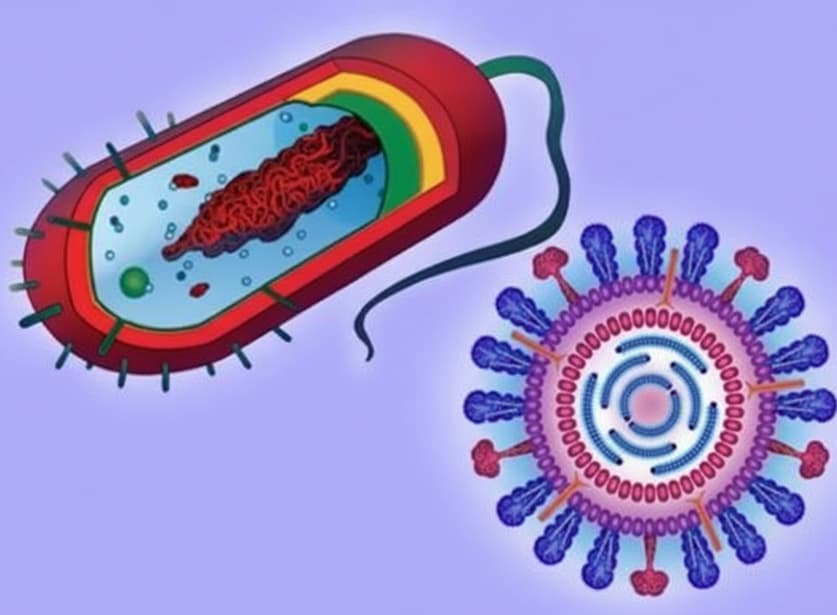
What is a Viral Infection?
A viral infection happens when a virus enters the body and uses healthy cells to multiply. Viruses are smaller than bacteria and cannot grow on their own without a host.
Common viral infections include:
- Common cold
- Flu
- COVID-19
- Viral fever
- Viral sore throat
- Some respiratory infections
Common viral infection symptoms include runny nose, cough, sore throat, body aches, tiredness, mild fever, headache, and watery eyes. Most viral infections improve within a few days with rest, hydration, fever control, and supportive care.
In some cases, antiviral medicines may be advised, especially for certain infections like influenza or COVID-19. However, these medicines should be taken only after medical advice.
You can also read our related blog on viral infection symptoms, prevention, and treatment.
What is a Bacterial Infection?
A bacterial infection happens when harmful bacteria enter the body and multiply. Not all bacteria are harmful. Many bacteria naturally live in the body and help with digestion, immunity, and overall balance. But some bacteria can cause illness when they grow in the wrong place or multiply quickly.
Common bacterial infections include:
- Urinary tract infection
- Bacterial throat infection
- Bacterial pneumonia
- Ear infection
- Skin infection
- Wound infection
- Some sinus infections
Common bacterial infection symptoms may include high fever, chills, localized pain, swelling, pus, painful urination, chest pain with cough, or symptoms that worsen instead of improving.
How to Know if an Infection is Viral or Bacterial?
It is not always possible to identify the cause based only on symptoms. A doctor looks at the complete picture, including duration, fever pattern, physical signs, and test results.
1. Duration of symptoms
Viral infections often worsen for the first few days and then gradually improve. If symptoms continue to get worse after a week, or if they improve and then return with high fever, a bacterial infection may be possible.
2. Location of symptoms
Viral infections often affect multiple areas together, such as cough, cold, sore throat, body pain, and tiredness. Bacterial infections are often more specific, such as severe ear pain, painful urination, one-sided throat pain, chest infection, or a wound with pus.
3. Fever pattern
A viral fever may come with body aches, fatigue, and cold-like symptoms. A bacterial fever may be higher, more persistent, or associated with chills and localized pain.
4. Physical examination
A doctor may check your throat, chest, ears, abdomen, skin, oxygen levels, hydration, and blood pressure. This helps understand whether the infection is mild, worsening, or needs further testing.
5. Blood tests and diagnostic tests
A blood test for infection can give useful clues. A Complete Blood Count may show changes in white blood cells. Depending on symptoms, doctors may also advise CRP, procalcitonin, urine test, throat swab, blood culture, chest X-ray, or viral testing.
Procalcitonin is sometimes used as a marker to support the diagnosis of serious bacterial infections, especially when symptoms suggest a higher risk.
Do Antibiotics Work for Viral Infections?
No. Antibiotics for viral infection do not work because antibiotics are designed to fight bacteria, not viruses. Taking antibiotics when they are not needed can cause side effects and may increase antibiotic resistance.
According to the CDC, antibiotics do not treat infections caused by viruses such as colds, flu, most sore throats, and most cases of bronchitis.
This is why self-medicating with antibiotics for fever, cold, or cough is unsafe. Antibiotics should be taken only when prescribed by a qualified doctor.
Why Antibiotic Resistance Matters
Antibiotic resistance happens when bacteria change and stop responding to medicines that once worked against them. This can make future infections harder to treat.
The World Health Organization identifies antimicrobial resistance as a serious global health concern. Misuse and overuse of antibiotics are major reasons why bacteria become resistant.
To reduce this risk:
- Do not take antibiotics without a prescription
- Do not use leftover antibiotics
- Do not stop antibiotics early unless your doctor advises it
- Do not pressure doctors for antibiotics when the infection is likely viral
- Complete the prescribed course when antibiotics are required
Treatment for Viral and Bacterial Infections
Treatment for viral infections
Most viral infections need supportive care, such as:
- Rest
- Drinking enough fluids
- Fever and pain control
- Steam inhalation or saline gargle when advised
- Monitoring symptoms
- Antiviral medicines in selected cases
Treatment for bacterial infections
Bacterial infections may need:
- Antibiotics prescribed by a doctor
- Tests to identify the source of infection
- Culture and sensitivity test in selected cases
- Fever management
- Fluids and supportive care
- Follow-up if symptoms do not improve
At Rishitha Hospitals, our General Physician services include evaluation and treatment for fever, cold, flu, cough, allergies, infections, and general health concerns.
When Should You See a Doctor?
You should consult a doctor if you have:
- Fever lasting more than 3 days
- Fever that improves and then returns
- Breathing difficulty
- Chest pain
- Severe throat pain
- Ear pain
- Persistent vomiting
- Dehydration
- Confusion or extreme weakness
- Painful urination
- Pus, swelling, or worsening skin infection
- Symptoms that are not improving after a few days
Seek urgent medical attention if fever is associated with difficulty breathing, chest pressure, confusion, seizures, severe weakness, or reduced urination.
For timely support, contact Rishitha Hospitals and consult a doctor for proper diagnosis and treatment.
The Right Diagnosis Leads to the Right Treatment
Understanding the difference between bacterial and viral infections helps you avoid unnecessary antibiotics and choose the right treatment at the right time. While symptoms can look similar, the cause and treatment may be different.
If you have fever, cough, throat pain, body aches, or infection symptoms that are worsening or not improving, consult a doctor instead of self-medicating.
Frequently Asked Questions
1. Can a blood test tell if an infection is viral or bacterial?
A blood test like CBC can give clues, but it may not always confirm the exact cause. Doctors may also use symptoms, physical examination, CRP, procalcitonin, culture tests, urine tests, or viral tests depending on the case.
2. Why don’t antibiotics work for viral infections?
Antibiotics target bacteria, not viruses. Viral infections usually need rest, fluids, symptom relief, and sometimes antiviral medicines in selected cases.
3. Is it safe to take leftover antibiotics?
No. Taking leftover antibiotics can lead to wrong treatment, side effects, and antibiotic resistance. Antibiotics should be taken only when prescribed by a doctor.
4. Can a viral infection turn into a bacterial infection?
Yes, sometimes. A viral infection can weaken the body’s defenses and make it easier for bacteria to cause a secondary bacterial infection, such as sinus infection, ear infection, or pneumonia.
5. When should I see a doctor for an infection?
See a doctor if fever continues for more than 3 days, symptoms worsen, breathing becomes difficult, there is severe pain, pus, dehydration, confusion, or repeated vomiting.
Medical Disclaimer : This content is for general informational purposes only and is not a substitute for professional medical advice, diagnosis, or treatment. Distinguishing viral from bacterial infections requires proper clinical evaluation and testing by a qualified doctor. Never disregard professional medical advice, self-prescribe antibiotics, or delay seeking treatment based on information read here. For an accurate diagnosis and appropriate care, please consult Rishitha Hospitals directly.