
Red spots on skin can result from allergic reactions, heat rash, insect bites, fungal infections like ringworm, or viral illnesses, and are usually harmless. However, spots that don’t fade under pressure, spread rapidly, or come with fever may signal a more serious condition like petechiae or an autoimmune disorder, so persistent or unusual spots should be checked by a doctor.
Red Spots on Skin: Causes, Symptoms & Treatment
Noticing sudden red spots on your skin can be unsettling — especially when you don’t know whether it’s a harmless reaction or something that needs medical attention. From tiny pinpoint dots to larger itchy patches, red spots are one of the most common reasons people search for answers online before deciding whether to see a doctor.
The truth is, red spots on skin can mean dozens of different things — from a mild allergic reaction or heat rash to conditions like ringworm, psoriasis, or even early signs of an infection that needs prompt care. At Rishitha Hospitals, our dermatology and general medicine teams see patients across all age groups with this exact concern, and the first question we always ask is the same: what do the spots look like, where are they, and what else are you feeling?
This guide breaks down the most common causes, symptoms to watch for, treatment options, and prevention tips — so you know what’s likely happening and when it’s time to get it checked.
What Causes Red Spots on the Skin?
Red spots appear when blood vessels near the skin’s surface become inflamed, irritated, dilated, or damaged. The underlying trigger can range from completely harmless to something that n
1. Allergic Reactions (Hives and Contact Dermatitis)
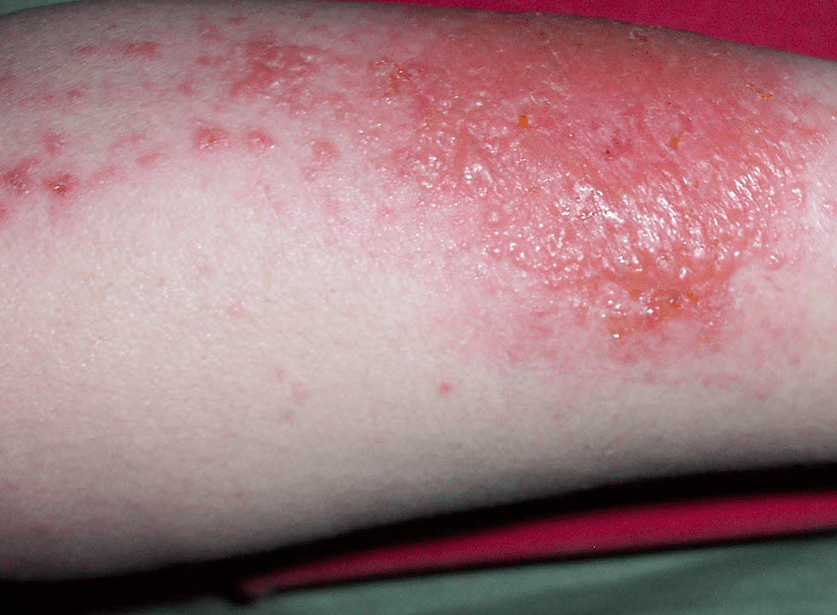
Allergies are among the most frequent causes of red spots. They can show up as raised, itchy welts (hives) after eating certain foods, taking medication, or being stung by an insect. Contact dermatitis happens when your skin reacts to something it touched directly — soaps, detergents, jewelry, latex, or certain plants.
What it looks like: Red, raised, itchy patches that may appear suddenly and spread.
eeds urgent care. Here are the most common culprits.
2. Heat Rash (Miliaria)
Common in hot, humid climates, heat rash develops when sweat glands get blocked and trapped sweat causes small red bumps, often with a prickly or stinging sensation. It’s especially common in babies, but adults get it too — particularly in skin folds.
3. Cherry Angiomas
These are small, bright red or purple growths made of clusters of tiny blood vessels. They’re extremely common, especially in adults over 30, and tend to increase in number with age. Cherry angiomas are benign and typically don’t require treatment unless removed for cosmetic reasons.
4. Petechiae
Petechiae are tiny, pinpoint red or purple dots that appear when small blood vessels under the skin break and bleed. Unlike a rash, they don’t fade when you press on them. Petechiae can be caused by minor things like vigorous coughing or straining, but widespread or unexplained petechiae can also signal low platelet counts, infections, or blood disorders — and should be evaluated promptly.
5. Fungal Infections (Ringworm)
Despite the name, ringworm isn’t caused by a worm — it’s a fungal infection that creates a red, ring-shaped, scaly patch with a clearer center. It’s contagious and spreads through skin-to-skin contact or contaminated surfaces, towels, and pets.
6. Viral Infections
Several viral illnesses cause red spots as part of a broader rash, including measles, chickenpox, hand-foot-and-mouth disease, and pityriasis rosea (which often starts with one large “herald patch” followed by smaller spots). These are more common in children but can affect adults too.
7. Eczema (Atopic Dermatitis)
Eczema causes dry, red, intensely itchy patches that can crack, ooze, or thicken over time. It’s often linked to genetics and tends to flare up due to triggers like stress, weather changes, harsh soaps, or certain fabrics.
8. Psoriasis
An autoimmune condition where skin cells build up too quickly, forming thick, red patches covered with silvery scales. Psoriasis is chronic and tends to flare in cycles, often triggered by stress, infections, or certain medications.
9. Rosacea
Rosacea mainly affects the face, causing persistent redness, visible blood vessels, and sometimes small red bumps that resemble acne. Triggers include spicy food, alcohol, hot drinks, sun exposure, and temperature extremes.
10. Drug Reactions
Some medications — including antibiotics and certain pain relievers — can trigger a rash of red spots as a side effect or allergic response. This can range from mild to severe and may need immediate medical evaluation.
11. Insect Bites and Stings
Mosquito bites, bed bugs, and other insect stings often cause small, itchy, red bumps, sometimes appearing in clusters or lines.
Symptoms That Often Accompany Red Spots
The spots themselves are just one piece of the puzzle. Pay attention to accompanying symptoms, as they help narrow down the cause:
- Itching, burning, or stinging
- Pain or tenderness when touched
- Swelling around the spots
- Fever, chills, or body aches
- Spots that blister, ooze, or crust over
- Spots that spread rapidly or change shape
- Joint pain or fatigue (possible sign of an autoimmune condition)
When Should You See a Doctor?
Most red spots are harmless and resolve on their own with home care. However, you should seek medical attention if:
- The spots spread quickly or cover large areas of the body
- They’re accompanied by fever, breathing difficulty, or facial swelling
- The spots don’t fade when pressed (a possible sign of petechiae)
- You notice blisters, pus, or signs of infection
- The rash appears after starting a new medication
- Symptoms persist for more than a week despite home treatment
- A child develops a widespread rash along with high fever or lethargy
If any of these apply, it’s best to consult a dermatologist or general physician rather than waiting it out.
How Doctors Diagnose the Cause of Red Spots
When you visit Rishitha Hospitals for red spots, our doctors typically follow a structured diagnostic process:
- Physical examination — assessing the size, shape, color, distribution, and texture of the spots.
- Medical history review — checking recent exposures, new medications, food intake, travel history, and existing health conditions.
- Allergy testing — if an allergic trigger is suspected.
- Blood tests — to rule out infections, autoimmune conditions, or low platelet counts.
- Skin biopsy — in rare cases, a small skin sample may be examined under a microscope to confirm conditions like psoriasis or vasculitis.
This step-by-step approach ensures the treatment plan addresses the actual cause — not just the visible symptoms.
Treatment Options for Red Spots on Skin
Treatment depends entirely on the underlying cause, but common approaches include:
- Topical corticosteroid creams — to reduce inflammation, redness, and itching in conditions like eczema, psoriasis, and contact dermatitis.
- Antihistamines — oral or topical, for allergic reactions and hives.
- Antifungal creams or tablets — for ringworm and other fungal infections.
- Calamine lotion or moisturizers — to soothe mild irritation and dryness.
- Antibiotics — if a bacterial infection is identified.
- Laser therapy or electrosurgery — for cosmetic removal of cherry angiomas, if desired.
- Lifestyle and trigger management — identifying and avoiding triggers for chronic conditions like rosacea and psoriasis.
It’s important not to self-medicate for an extended period without a diagnosis, as the wrong treatment can mask symptoms or worsen certain conditions.
How to Prevent Red Spots on Skin
While not every cause is preventable, these habits can significantly reduce your risk:
- Moisturize regularly, especially in dry or cold weather, to maintain your skin barrier.
- Wear breathable fabrics and stay cool in hot, humid weather to prevent heat rash.
- Patch-test new skincare products, soaps, or detergents before regular use.
- Maintain good hygiene — shower after sweating, and avoid sharing towels, clothing, or grooming tools.
- Avoid known allergens and triggers, whether it’s certain foods, plants, or fabrics.
- Protect your skin from the sun with broad-spectrum sunscreen.
- Keep your immune system strong with balanced nutrition, hydration, and adequate sleep.
- Manage stress, since it’s a known trigger for eczema, psoriasis, and rosacea flare-ups.
Risks and Complications: An Honest Assessment
The overall risk profile of cerclage is low, but “low risk” is not the same as “no risk.” Women deserve the full picture.
Risks associated with the procedure include:
- Preterm premature rupture of membranes (PPROM): The suture can, in rare cases, cause or contribute to membrane rupture — the risk is higher with emergency cerclage and with advanced dilation at the time of placement
- Uterine infection / chorioamnionitis: Once infection sets in, the cerclage typically needs to be removed urgently to prevent maternal sepsis
- Cervical laceration: The cervix can tear, either during placement or, more commonly, if labor begins before the stitch is removed
- Cervical scarring: Particularly with Shirodkar or high placements — this can affect future cervical procedures
- Preterm labor triggered by the procedure: Any surgical manipulation of the cervix carries some risk of inducing contractions
- Anesthesia-related complications: These are rare but possible with any regional anesthetic
The balance shifts considerably depending on which type of cerclage is placed, at what gestational age, and under what clinical circumstances. Emergency cerclage carries higher risks across the board than a planned elective stitch placed at 13 weeks.
Final Thoughts
Red spots on the skin are incredibly common across all age groups, and most causes — from heat rash to mild allergic reactions — are not serious and resolve with simple care. However, certain red spots, especially those that don’t fade under pressure, spread rapidly, or come with fever and fatigue, can be early signs of conditions that need timely medical attention.
The safest approach is never to guess. A quick consultation can save you from unnecessary worry — or catch something important early.
Concerned about red spots, rashes, or any unusual skin changes? Contact our team at Rishitha Hospitals today to book a consultation with our dermatology specialists and get a clear diagnosis and personalized treatment plan.
FAQs
- What are the most common causes of red spots on skin? Common causes include allergic reactions, heat rash, cherry angiomas, fungal infections like ringworm, eczema, and psoriasis.
- Are petechiae dangerous? Petechiae — pinpoint red or purple dots that don’t fade when pressed — can be minor from coughing, but widespread cases may signal low platelets or infection and need evaluation.
- How can I tell if red spots are just an allergy or something serious? Watch for accompanying signs like fever, rapid spreading, blistering, or facial swelling, which point to something more serious than a simple allergic reaction.
- Do red spots on skin need antibiotics or creams? Treatment depends on the cause — antihistamines for allergies, antifungals for ringworm, or corticosteroid creams for eczema/psoriasis — so a diagnosis is needed first.
- When should red spots be checked by a doctor? See a doctor if spots spread quickly, don’t fade under pressure, come with fever or breathing trouble, or persist more than a week.
Medical Disclaimer: This article is for general informational purposes only and does not constitute medical advice, diagnosis, or treatment. Red spots on the skin can arise from a wide range of causes, from harmless heat rash to conditions like psoriasis, infections, or blood disorders, and these are not reliably distinguishable without a proper clinical examination. Please seek prompt medical evaluation for spots that spread rapidly, don’t fade when pressed, or occur with fever, breathing difficulty, or facial swelling, and consult a qualified dermatologist or physician at Rishitha Hospitals before self-treating.